Search Results
772 results for “Parasite check”

Why Does Your Cat Eat but Stay Thin? (Worms and More)
A cat that eats well but stays thin is often fighting intestinal parasites—roundworms, tapeworms, hookworms, giardia, or coccidia—that steal nutrients and release toxins interfering with digestion, causing slow or lost weight, anemia, and poor growth. Tell-tale signs include soft stools, rice-like segments near the anus, scooting, pale gums, and a swollen belly. But worms are not the only cause: poor absorption, hyperthyroidism or diabetes, repeated heat cycles, or a low-protein diet can also keep a cat lean. The fix is a tailored deworming plan plus gut probiotics and high-protein meals; spaying helps if heat is the driver. See a vet if weight keeps dropping.
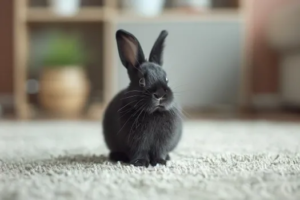
What to Do If Your Rabbit’s Fur Turns Yellow
Yellow fur in rabbits can signal poor nutrition, too little sunlight, skipped grooming, illness, or simply urine staining. Because the cause varies, judge by the situation. Feed a balanced diet of fresh grass, vegetables, and quality pellets; give a few hours of gentle outdoor sun (avoid midday heat); brush regularly with a soft comb and use a rabbit-safe shampoo only when needed; and keep the cage clean and dry so urine doesn't stain. If yellowing comes with other symptoms, see a vet for parasites or infection. With diet, light, grooming, and checkups, the coat can recover its healthy shine.

How to Prevent Folliculitis in Dogs
Folliculitis—red, flaky, itchy skin with hair loss—is common in long, short, and hairless dogs alike, but you can lower the risk. Keep the skin clean with dog-specific, lukewarm baths at the right frequency (over-bathing damages the barrier); check the coat and skin weekly for redness, sores, or bald patches; feed quality, balanced food and skip table scraps that trigger obesity and hormone issues; give outdoor exercise to boost circulation and immunity; avoid over-brushing or over-clipping that breaks the skin barrier; and control external parasites with regular deworming. For a dog already affected, keep its space dry and clean, use gentle products, and see a vet promptly for severe signs like pus or intense itching—treatment is usually antibiotics, anti-inflammatories, or topical antiseptics.
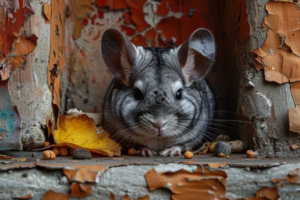
Why Is My Chinchilla Losing Weight (and What to Do)
A chinchilla that grows thin usually points to poor nutrition, illness, stress, or its surroundings. Chinchillas are herbivores whose main food is grass, needing protein-rich, balanced feed—special pellets, hay, and a little fruit and vegetable. Long-term wrong feeding starves them of nutrients. Health issues like parasites, digestive trouble, or dental problems also cut how much they absorb, so a slimming chinchilla with a normal diet needs a vet. A damp, dirty, or noisy home kills appetite, and anxiety from frequent moves or other pets does too. Keep the diet balanced, the cage clean and quiet, and stress low to bring the weight back.
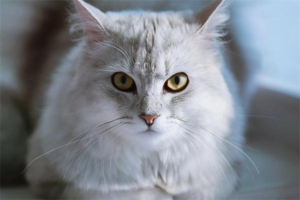
What Causes Watery Stool in Cats?
Watery stool in cats can stem from diet, digestion, or disease, and the fix depends on the cause. Drinking too much water or eating very moist food can loosen stools, as can irregular, all-you-can-eat feeding that upsets a sensitive gut—here, pet probiotics help restore balance. Parasites and viruses are more serious: worms in the stool signal a parasite infection needing deworming, while an unvaccinated cat with watery diarrhea may have a dangerous viral infection and needs a vet fast. If diarrhea lasts or comes with other symptoms, see a clinic. Prevent it with measured feeding, regular deworming and vaccines, and a clean, disinfected home.
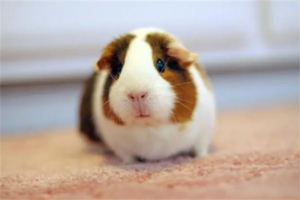
What to Do If Your Guinea Pig Won’t Eat?
A guinea pig that loses its appetite can signal illness—such as a cold, intestinal parasites, or dental problems—or simpler issues like a monotonous diet, spoiled food, a move, stress, or poor digestion. Because these animals are sensitive, the key is to find the cause and act. Offer varied, nutritious food (vegetables, fruit, pellets), encourage gentle daily exercise like walks or play to aid digestion, and watch its body closely so any health problem gets veterinary care quickly. With the right diet, a calm environment, and attention to its mood, most guinea pigs regain their appetite.
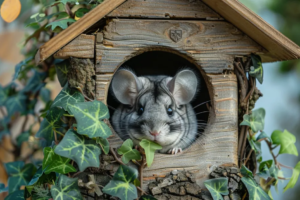
Why Is My Hamster Limp and Weak?
A hamster that feels limp and weak can have many causes, and the symptom alone is hard to pin down. Common reasons include a poor environment, low blood sugar, malnutrition, digestive trouble, or infection such as respiratory disease, liver problems, or diabetes. Offer rich nutrition and a warm, clean, well-ventilated home with room to move, and if weakness continues or comes with vomiting, diarrhea, discharge, or temperature change, take the hamster to a veterinarian.

How to Properly Administer Dog Vaccines
For a vaccine to produce the intended protection, it must be given the right way. Methods vary by product and schedule, but a few rules apply every time: healthy dogs only, parasites cleared first, and careful handling of live vaccines. Following these steps is what turns a shot into real immunity.

Why Your Dog’s Urine Is Dark
Normal dog urine is pale yellow. Dark urine is a sign that something is mixing into it, usually bile pigments, blood, or other material, and it often points to a real problem. The causes range from liver and kidney disease to infection and certain toxins, though a few are harmless.

What to Do If Your Turtle Eats Only Meat and Rejects Pellets
A turtle that refuses pellets for meat usually has a taste preference or a digestion issue, but long-term meat eating risks gut inflammation, pickiness, malnutrition, and fatty liver. First check that the pellets are fresh and clean, or try a different brand, shape, or flavor—always soak pellets in water so the turtle can swallow. You can also change the routine: more swimming time and sunlight boost appetite. The firm fix is 'starvation training'—offer only pellets, no meat, until hunger wins. If nothing works, or you're unsure the turtle needs food, consult a veterinarian for a tailored plan.