Search Results
774 results for “Parasite check”
My 4-month-old ragdoll got its 3rd vaccine, then poor appetite, diarrhea, vomiting; tested positive for FPV and coronavirus, no treatment; now suddenly eats well and is energetic. Is it recovered? Still need treatment?
Recommended to care and treat based on symptoms and get a recheck at another professional hospital before deciding on FPV treatment, because FPV and corona rarely self-resolve so fast - the first test may have erred or been a false positive. Recheck FPV and do a stool exam for parasites or gut flora imbalance.

Why Is My Dog’s Nose Bleeding?
Many causes: nasal infection, a bump, a foreign object, mouth problems, hemophilia. Mild cases often stop on their own quickly. If bleeding is heavy or won't stop, help stop it and take the dog to a vet to find and treat the root cause.

Why Does My Cat Lick Its Fur So Much?
Cats lick their fur for many reasons: self-cleaning, stress relief, showing affection, masking scent, or skin disease. Licking is normal grooming and nothing to worry about. But a stressed cat also licks to soothe itself - comfort it and ease the stress. Licking can also come from itchy or painful skin and needs prompt treatment to stop the problem worsening.

What Germs on Cats Can Spread to Humans?
Some germs carried by cats can pass to people, including toxoplasmosis, cat-scratch disease, salmonella, and staphylococcus. With good management and the right precautions the risk stays low. Keep your cat vaccinated and dewormed, clean its living space and belongings, and wash your hands to protect yourself.

What Are the Signs of Ear Mites in Cats?
Ear mites in cats typically cause head and ear scratching, head shaking, heavy brown discharge in the ear canal, and a foul odor. If you notice these signs, consider ear mites and consult a vet for diagnosis. If confirmed, treat promptly with mite medication and an ear-cleaning solution, following the vet's instructions and label to eliminate the mites completely.
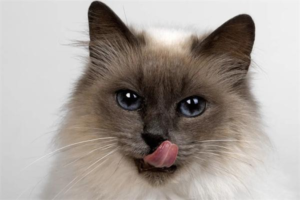
Why Does My Cat Like to Sleep Next to Me?
A cat may curl up next to you for several reasons: warmth, a sense of security, social bonding, access to resources, and marking territory. Cats like warm, safe spots, and your body heat provides comfort - one reason they snuggle close. They may also be leaving their scent on you to claim you as theirs.
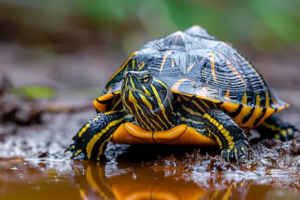
What Are the Common Diseases in Aquatic Turtles?
Common aquatic-turtle diseases—shell rot, colds, digestive illness, parasites, and white-eye disease—usually stem from poor feeding, dirty food, or bad water. Manage water quality and diet, keep the habitat right, and feed clean food to cut risk. Each condition has distinct signs and a targeted treatment, from shell cleaning to warm-water isolation.

Are Hairless Guinea Pigs Hard to Care For?
Hairless guinea pigs are trickier because they lack fur protection and catch cold easily. Keep them at 20–25°C with added humidity, clean them with a damp cloth, check their skin often, and give space and social time with other guinea pigs.

Why Is My Dog’s Leg Cramping?
Leg cramps can come from cold, calcium deficiency, disease after-effects, or injury, and treatment depends on the cause. Warm a chilled dog up; have a vet check a possibly deficient one. Frequent cramps warrant a veterinary exam.

What Are the Common Skin Diseases in Hamsters?
Hamster skin disease falls into four types—allergic, bacterial, nutritional, and parasitic dermatitis—each with different signs and treatments, so find the cause first. Keep the cage clean and dry to curb bacteria and parasites, and never use human medicines, which can be toxic to hamsters.