Search Results
772 results for “Parasite check”

Cat Urethritis: How Long to Recover and What Medicine to Use
Recovery from cat urethritis depends on the cause: a simple bacterial infection clears in about a week (up to 3 weeks if severe), while stones or parasites need 4–6 weeks with urine cultures. Treat bacterial cases with vet-prescribed antibiotics and keep the environment clean to avoid relapse.

What Causes a Dog to Have Frequent Diarrhea
A dog's frequent diarrhea may be caused by the owner feeding the dog food that is too greasy, or the dog being infected with intestinal parasites, suffering from chronic gastroenteritis, etc. It is recommended to self-check the cause according to the dog's specific situation, treat symptomatically, and then regulate through diet. Today we first introduce several common causes and solutions for dog diarrhea.

Can a Cat’s Colitis Diarrhea Heal on Its Own?
In the early stage of chronic colitis, cats have repeated difficulty defecating and may appear to heal on their own for a while, but later develop soft stools, diarrhea, and blood in stool, which is usually difficult to heal on its own. So how should feline colitis diarrhea be treated if it cannot heal on its own? Today we explain in detail!
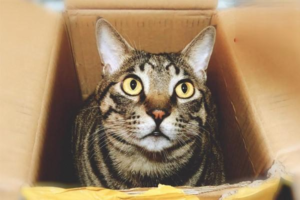
What Causes Bloody Stool From Cat Colitis
Bloody, foul cat stool usually means colitis—from diet change, foreign objects, bacteria, parasites (coccidia, Giardia), drugs, or allergies. Treatment pairs diet and probiotics with targeted antiparasitic, antiallergy, and antibiotic care.

Cat Colitis: Symptoms & How to Treat
Cat colitis starts with normal appetite but frequent soft, bloody, foul stools and can progress to watery sprayed diarrhea. Home care uses amoxicillin and bismuth; prescription care may add atropine, gentamicin, or fluids.

Managing Cat Heart Disease Risk Through Diet
Since heart disease is hard to catch early, diet is the first line of defense. Choose low-fat, low-sodium food, limit snacks, handle raw meat safely, and add taurine for kittens and pregnant cats.

Dog and Cat Vaccines: Types, Schedule & Precautions
Vaccination is the most effective defense against infectious disease in pets. This guide covers dog and cat vaccine types (distemper/parvo, FVRCP, rabies, kennel cough), schedules, and key before/after precautions including deworming and timing.

Why Dogs Develop Dilated Cardiomyopathy
Dilated cardiomyopathy in dogs has four main causes — genetics, nutrient deficiency, viruses or parasites, and low thyroid hormone. It is hard to cure, so early diagnosis and careful management matter most. Here is what every owner should know.

What Can a Cat with Ear Mites Not Eat? Do Ear Mites Need a Special Diet?
Feline ear mites are a parasitic plus bacterial ear infection causing itch, pain, and discharge. Diet needs no special restriction, feed normally, but you may add a B-complex vitamin to support skin immunity. Treatment: deworm, clean the ear, and apply an antimicrobial ear drop. Environment hygiene and regular deworming matter most.

Rabbit Loss of Appetite: Could It Be Intestinal Obstruction?
When a rabbit won't eat, intestinal obstruction is a serious possibility among many gut causes. This article explains obstruction triggers, how to tell it apart from simple stress, and the care steps (massage, water, vet tests) to take.