Search Results
387 results for “Panleukopenia”

Pasteurellosis in Dogs and Cats: Symptoms, Treatment, and Prevention
Pasteurellosis is an acute, feverish infectious disease caused by Pasteurella multocida. The acute form is marked by septicemia and hemorrhagic inflammation (historically called 'hemorrhagic septicemia'); the chronic form shows subcutaneous, joint, and organ abscesses, often mixed with or secondary to other diseases. Chickens are most commonly affected, but cats and dogs can also be infected.
My cat is foaming at the mouth and shaking its head – what could be wrong?
Foaming at the mouth with head shaking is often poisoning or distemper - both emergencies. Here is what to do.
What does cat diarrhea look like?
Normal stool is firm and cylindrical; diarrhea is soft, loose, or watery with a stronger odor. Causes include parasites and bacterial/viral enteritis. Bloody or tarry stool suggests panleukopenia—see a vet at once.
My cat sneezes, has a runny nose, fever and now bloody diarrhea – what could it be?
Sneezing, fever and bloody diarrhea together strongly suggest feline distemper. Here is why to rush to a vet.

Feline Infectious Respiratory Diseases: Causes, Treatment, and Prevention
Lethargy, loss of appetite, sneezing, and persistent runny nose in cats often signal an upper respiratory infection, a highly contagious disease that is especially dangerous for kittens.

How to Avoid Buying a Sick ‘Week Cat’ (Kitten That Dies Within Days)
Today: 'week cats' - kittens that die days after coming home. What is behind it, and how to avoid buying one?

Preparations for First-Time Cat Owners
Seeing friends show off their pets, are you tempted too? That is how many cat lovers start. Here is what new cat owners should know before bringing a cat home.

Cat Stress: Signs and What to Do
Basic knowledge about stress reactions in cats.
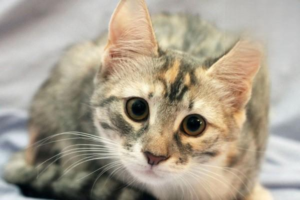
How to Welcome a Second Cat
Bringing a second cat home is exciting, but introducing the newcomer to your resident cat is a real skill. Done right, they become companions; done wrong, it causes stress and illness.

What Is Canine Parvovirus?
Canine parvovirus (CPV) is a single-stranded DNA virus that hits unvaccinated dogs of any age; CPV-2 is the most virulent and a leading cause of severe puppy enteritis. It spreads by fecal-oral contact, resists the environment for months to years, and causes vomiting, bloody diarrhea, and dehydration. Vaccination is key.