Search Results
419 results for “Pancreatitis”

Which Cats Are Prone to Pancreatitis?
Any cat can develop pancreatitis, but some are clearly more vulnerable. Genetics play a role, with breeds like Persians, Siamese, and Maine Coons at higher risk. Obesity is another major factor, since overweight cats strain their pancreas far more than lean ones. Diet also matters: fatty foods, too many artificial additives, and table scraps all burden the pancreas and invite inflammation. Certain medications such as long-term aspirin, morphine, or tetracycline, and viruses like feline infectious peritonitis, can also trigger the disease. Prevention centers on strict weight control, high-quality food, and never dosing a cat without veterinary guidance. Watch for appetite loss, vomiting, or diarrhea and seek care early; diagnosis uses blood pancreatic lipase tests, ultrasound, or cytology, and treatment combines medication, diet management, and sometimes hospitalization.
How to Care for a Dog with Pancreatitis
Pancreatitis is a high-risk digestive emergency, especially common in overweight middle-aged and senior dogs, and it often returns even after recovery — so proper home care matters as much as treatment. During a flare-up, withhold food and water immediately and see a vet; never self-medicate. After discharge, feed a prescription diet under 10% fat (regular food is 15–20%+), split into 4–6 small meals, and strictly avoid all high-fat foods such as fatty meat, organ meats, fried food, and rich treats. Keep your dog warm to protect the abdomen, allow only gentle short walks, follow the medication plan exactly, and return for regular pancreatic checks. Controlling weight is the best prevention — obese dogs are over three times more likely to develop pancreatitis.

What Every Dog Owner Should Know About Pancreatitis
Canine pancreatitis happens when digestive enzymes activate too early and the pancreas essentially digests itself, causing severe inflammation. Rich human food, obesity, toxins, and certain breeds raise the risk, and moderate-to-severe cases can be fatal. This guide covers causes, the telling 'praying' posture, diagnosis with pancreatic tests, treatment, and diet-based prevention.

What Is Pancreatitis in Cats?
Pancreatitis is inflammation of the pancreas, the organ that makes digestive enzymes and insulin. When those enzymes activate in the wrong place, they digest the surrounding tissue and cause serious illness. Cats may show poor appetite, lethargy, diarrhea, vomiting, and belly pain. The disease can be life-threatening, especially in older or weak pets, and may become chronic or trigger diabetes. Treatment centers on fluids, antibiotics, and anti-vomiting care, often in hospital.

Chronic Pancreatitis in Dogs and Cats
Chronic pancreatitis is a repeated or persistent pancreatic inflammation marked by recurring abdominal pain, fatty stools, and eventually high blood sugar or diabetes. Management uses a low-fat diet, pain control, and correction of enzyme or sugar imbalances.

Acute Pancreatitis in Dogs and Cats
Acute pancreatitis is sudden inflammation of the pancreas caused by its own digestive enzymes attacking the gland, with edema, bleeding, and necrosis. It causes sudden upper-abdominal pain, vomiting, and shock; treatment rests the pancreas, controls pain and infection, and corrects fluids.

What to Do When a Dog Vomits Yellow Fluid
Yellow vomit is usually excess stomach acid from an empty stomach, but it can also signal gastritis, pancreatitis, or liver and gallbladder disease. Feed small, frequent meals for hunger-related cases, set a fixed feeding schedule otherwise, and see a vet when another illness is behind it.
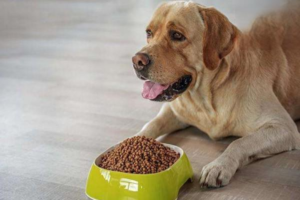
Is Soft-but-Formed Stool a Sign of Overfeeding?
Soft but still-formed stool means the gut is irritated but not yet failing — often from a weird snack, overfeeding, a chill, parasites, or medicine — and can precede real diarrhea or even distemper. Start with probiotics and a bland diet, and see the vet if it doesn't settle.

What You Should Know About Vomiting in Cats and Dogs
Vomiting in pets splits into physiologic, from eating too fast or wrong food, and pathologic, from disease. Causes range from diet and gut issues to toxins and organ disease, and the timing of vomiting hints at the source, so see a vet when signs persist.

Common Winter Feeding Mistakes for Dogs
As temperatures drop, many owners overfeed their dogs to 'build winter fat,' but that backfires. The real winter risks are digestive upset from sudden diet changes, pancreatitis from too much meat, obesity from sweets, and dehydration from dry indoor air. Keep portions steady, offer warm water under 20°C, and aim for balanced, smaller frequent meals with regular exercise.