Search Results
419 results for “Pancreatitis”

Understanding Pet Diabetes: Symptoms & Treatment in Dogs and Cats
Diabetes in pets is mostly primary (beta-cell damage) and shows as eat-more/drink-more/urinate-more/weight-loss. Management needs insulin, glucose-lowering drugs, fluids, diet, and infection control; prevention is fiber, exercise, and regular glucose checks.

Types of Heart Disease in Dogs
Dog heart disease ranges from congenital valve defects to valve disease and dilated cardiomyopathy. Learn the main types, their symptoms, and the everyday factors — obesity, injury, and overexertion — that can trigger an episode.

Type 1 and Type 2 Diabetes in Cats
Cat diabetes comes in two types, split mainly by how much the cat depends on insulin. Any cat can get it, but older, neutered, male, and obese cats are more at risk. Learn the causes, signs, and treatment of feline diabetes.
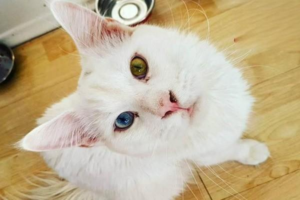
Why Cats Develop Fatty Liver Disease
Fatty liver in cats is almost always a sign of an underlying problem — a hidden illness, obesity, diabetes, or stress from big changes. Cornell research found most cases are linked to other diseases. The disease is split into secondary (caused by another condition) and primary (cause unknown), but both progress the same way and need the same treatment.

Treatment Methods for Feline Diabetes
Diabetes in cats is very treatable when caught early and managed properly. Treatment centers on insulin injections, fluid therapy for severe cases, prompt care for complications, dietary adjustment, and careful at-home monitoring. With consistent owner effort, most diabetic cats can recover.

What to Do When a Dog Vomits for Days
Frequent vomiting usually points to the digestive system - wrong diet or blockage - with poor appetite and low spirits. We advise a vet visit.

Common Abdominal Diseases in Dogs and Cats: Ascites, Stomach Bleeding and More
Abdominal disease hits the stomach, liver, spleen, pancreas and peritoneum, causing vomiting, diarrhea, pain and fluid buildup. Learn the signs and treatments.

Can Cats Get Fatty Liver Disease?
Fatty liver, or hepatic lipidosis syndrome, is the most common liver disease in cats; obesity is the main trigger. It is highly fatal, so treat promptly. Here we introduce symptoms and treatment.

What to Do When a Cat Vomits Frequently and Won’t Eat
A cat that often vomits after eating and then won't eat - what's wrong? Frequent vomiting from poor diet can cause chronic issues that never improve. This article explains the causes, exams, and home care.

How to Help a Thin Cat Gain Weight
A thin cat may be underweight due to genetics, poor diet, parasites, digestive disease, or dental issues. Rule out illness with a vet first; then raise the diet's nutritional density, feed small frequent meals, and add gentle play to boost appetite and build a healthy body.