Search Results
823 results for “Nutrition”
5 Cat Diseases Linked to Poor Nutrition
Poor diet drives five common feline problems. Obesity brings arthritis, diabetes, and more; pancreatitis ties to fat intake; lower urinary disease links to stress, low exercise, and weight; heart disease follows excess sodium from human leftovers; and diarrhea improves with added fiber. Feed proper cat food, not table scraps.
Special Nutritional Needs of Kittens
Kittens are not simply small adult cats. During rapid growth they need far more nutrition per pound of body weight—roughly twice the energy of an adult—to develop into strong, healthy adults. This guide walks through a kitten's two growth stages, explains why frequent small meals of a meat-based, easily digested formula work best, and covers the transition from kitten food to adult food around one year of age, including a gradual 5–7 day mixing period and portion control for indoor cats.
Why won’t my dog eat nutritional paste?
A dog may refuse nutritional paste simply because it doesn't like the taste. But paste is a supplement, not a required food — healthy dogs don't need it, and overdoing it can cause obesity. Reserve it for thin or weak dogs that need the extra nutrition.
How good is RedDog nutrition paste?
RedDog nutrition paste uses fish oil for coat shine and milk powder for immunity; it is palatable and can encourage drinking or eating.

Cat Anatomy and Nutritional Requirements
A cat's body has nine notable parts (limbs, eyes, teeth, paw pads, nose, tongue, claws, whiskers, ears), and its diet needs core nutrients: protein, fat, carbohydrates, water, crude fiber, magnesium, calcium, phosphorus, and taurine. As obligate carnivores, cats need animal-source nutrition.

Post-Weaning Nutrition Care for Puppies
The biggest challenge after weaning is moving a puppy smoothly from mother's milk to solid kibble, best done with a weaning paste that mixes with varying amounts of water. Puppies also need extra calcium during this bone-growth stage, introduced only after about two months of age.

Autumn Dog Care: Nutrition, Immunity, and Energy
As autumn cools, dogs grow their winter coat and need more coat-building nutrients — protein, fatty acids, B vitamins. Boost immunity with water and vitamins, and add energy-rich food (but not too much) to prep for winter.

Why Does Your Dog Have More Dandruff
Increased dandruff in dogs has many possible causes: dry climate, over-bathing or harsh products, low fat intake, poor nutrition, too much dietary salt, or an underlying skin condition. The right response depends on the trigger. In dry weather, add water and a soothing moisturizer; with a skin disease, a proper diagnosis and treatment are needed. Because the skin reflects overall health, identifying the root cause is the key to relieving flaky, itchy skin and keeping the coat healthy.
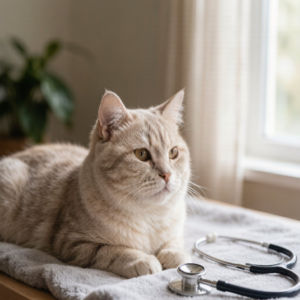
When Is the Best Time for a Cat to Develop Fuller Cheeks
Whether a cat develops those rounded, full cheeks (often called "face fluff") depends mostly on sex, genetics, and breed. Female cats rarely fill out this way; it is usually intact male cats that do. Breeds such as the British Shorthair, American Shorthair, Exotic Shorthair, Persian, Chinchilla, and orange tabby are naturally prone to it, while hairless cats, Devon Rex, Russian Blue, Siamese, Oriental, and calico domestic cats tend to stay slender-faced. Most male cats begin filling out between six and eight months of age, and a son of a full-cheeked father is more likely to follow suit. Good nutrition during this window makes the difference.
What to Do When Your Dog’s Hind Leg Cramps
A dog's hind-leg cramp can come from poor nutrition, overexercise, low temperature, or too little activity and sore muscles. When it happens, gently massage or apply a warm compress to ease the muscle, then rest the dog in a quiet, warm place. Balance the diet, exercise moderately, and keep the environment at a comfortable temperature to lower the chance of cramps.