Search Results
166 results for “New Cat Owner”

100 Essential Tips Every New Cat Owner Should Know
Bringing home a first kitten is exciting but daunting, and poor care can hurt both of you. These 100 essentials cover diet (life-stage food, toxic grapes/chocolate/onion/garlic, no bones or raw meat, fresh water), daily care (brushing, nail and ear cleaning, litter hygiene, n+1 boxes), health (vaccines at 8–12 weeks, deworming, normal temperature 38–39.2°C, spay/neuter, no human meds), behavior (slow blinks, tail talk, no punishment), and home safety (screens, hiding wires, toxic plants, no smoke). Read them once and you'll share a calmer, healthier life with your cat.
What New Cat Owners Should Know
Bringing a cat home is joy and responsibility, so prepare mentally as well as materially. Night activity, shedding, scratches, and curiosity are all part of cat life. This guide covers the realistic expectations, the gear to buy, and the steps after adoption: quarantine windows, vaccines, warmth, and the right time to neuter.

What Are the Signs That a Cat Is Sad?
Sad cats often show it through loss of appetite, hiding, watery eyes, over- or under-grooming, and poor sleep. Comfort them by respecting their space, offering a safe retreat, and engaging in calm, low-pressure interaction.

What to Do When a Cat Refuses to Eat
A cat that won't eat may be picky, stressed, or ill. Long fasting is dangerous — cats can develop fatty liver (hepatic lipidosis) in just a few days — so act fast. Check for other symptoms and oral pain, try a tastier food in a calm setting, and if it still refuses, see a vet and get energy support.

What Your Cat’s Sleeping Position Reveals About Its Mood
A cat's sleep pose is a window into how safe and relaxed it feels. A cat that flops belly-up is completely at ease, while one curled into a tight ball with its head on its paws is on alert. Giving your cat a quiet, comfortable spot to rest supports better sleep and lowers stress.

What Causes a Cat’s ‘Glass Stomach’?
A cat's 'glass stomach' (chronic sensitivity) usually comes from poor diet (frequent food switches, intolerances, low-quality kibble, human food), irregular feeding, stress, or dental issues. Past illness (panleukopenia, parasites, gastritis, pancreatitis, hairballs) can also damage the gut lining. Fix diet, add probiotics, cut stress, and see a vet for ongoing vomiting, diarrhea, or weight loss.

Why Do Mixed-Breed Cats Run Away from Home?
Mixed-breed cats may wander off for many reasons: a love of freedom, strong curiosity, mating urges when in heat, feeling neglected, household changes, getting lost, or illness near the end of life. A safe, loving home and neutering greatly reduce the risk.

Is a Cat Bed a Must-Have or Just a Gimmick?
A cat bed isn't a gimmick, but it's not strictly necessary either — it depends on the cat. A good bed gives a sense of security and warmth in winter, beyond just a place to sleep. If your cat ignores the bed, don't force it; a box, blanket, or pet mattress works too. Choose soft, warm, breathable natural materials like short plush or felt, and pick a size about 1.5 times the cat's body length — cats like a snug wrap and a too-big bed feels insecure.

Spaying a Female Cat: Pros and Cons
Spaying removes a female cat's uterus and ovaries, preventing heat cycles and pregnancy while protecting against pyometra, uterine cancer, ovarian cysts, and mammary tumors. The trade-offs are surgical risks, possible post-op infection, slower metabolism and weight gain, and occasional behavior changes, so weigh your cat's health and your own situation before deciding.
Why Do Mother Cats Get Postpartum Depression?
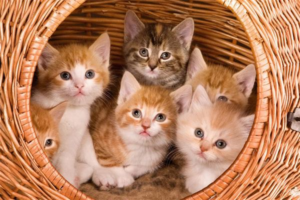
Postpartum depression in cats has many causes — hormonal shifts as well as environmental and personal factors. After birth, give the mother a quiet, stable environment with enough rest and affection to prevent it. If symptoms appear, get veterinary help promptly so she recovers.