Search Results
68 results for “Muscle spasms”

Cat Heatstroke: Symptoms, First Aid, and Prevention
Feline heatstroke is essentially what we call overheating — it occurs when a cat stays in a hot, humid place and cannot shed excess body heat. Signs mirror human heatstroke: rising temperature, mouth breathing, fast heart rate, restlessness, and panting, progressing to neurological signs and death. Cats cannot cool themselves, so on hot days keep them indoors with good ventilation and avoid outdoor sun exposure.
A vet suspected neuritis; B1 and B12 helped little, still weak, arched back, cries when held
Feline neuritis shows spasms, numbness, and weak reflexes from vitamin deficiency, trauma, fright, or birth defects. Seek a vet exam for correct treatment.
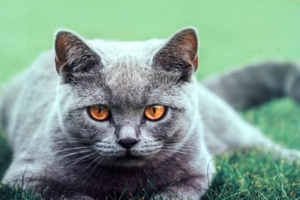
Cat Empty-Chewing: Causes and What to Do
Cat owners sometimes notice their cat suddenly chewing on nothing, as if eating air, even when it is not hungry. This behavior, called empty-chewing, can signal oral disease, a foreign object in the mouth, an upset stomach, or a neurological problem. Here are the common causes and how to address them.
My four-month-old dog keeps nodding its head, worsening but otherwise fine—what could it be?
Frequent nodding with good spirits may be normal (hiccups or excitement) or a neurological issue such as seizures or distemper aftermath. A vet can prescribe anticonvulsants or nerve-support medication.
Can’t dogs eat chocolate?
Dogs must not eat chocolate because it contains theobromine and caffeine they cannot metabolize, causing poisoning that damages the nervous system and heart. Symptoms include agitation, vomiting, diarrhea, rapid breathing, seizures, even shock and death.

Why Do Dogs Develop Cervical Spondylosis?
A dog can develop cervical spondylosis for many reasons, including genetics, poor nutrition, holding one posture too long, overexercise, age, and environment. Some breeds with unusual body shapes are more prone to it. Long-term calcium deficiency weakens the bones, making the cervical spine easier to compress and injure. Older dogs are also at higher risk because of bone loss and weaker muscles. This article explains the common causes of cervical disease in dogs and what symptoms and home care look like once it is diagnosed.

What Is Pseudorabies in Dogs
Pseudorabies, also called Aujeszky's disease, is an acute infection of dogs, cats, and other livestock caused by the pseudorabies virus. Dogs usually catch it by eating infected pig or rat tissue, and the hallmark is intense, localized itching. It is almost always fatal in dogs, so prevention and not letting a sick dog bite people are what matter.

Strychnine Poisoning in Dogs and Cats
Strychnine (nux vomica) poisoning in dogs and cats causes sudden, severe nerve excitation. Affected pets become hyper-sensitive to sound and light, develop muscle twitching, seizures, and a rigid arching of the spine, and may die from respiratory paralysis. Immediate, calm veterinary care is essential.

Iodine Metabolism Disorders in Dogs and Cats
Iodine metabolism disorders in dogs and cats include iodine deficiency, goiter, lethargy, and in severe cases cretinism or myxedema with dry skin, and iodine excess, causing vomiting, spasms, and suppressed thyroid function. They are managed by balancing dietary iodine.

Postpartum Eclampsia (Puerperal Tetany) in Dogs and Cats
Postpartum eclampsia (puerperal tetany) in dogs and cats is an acute low-blood-calcium crisis in nursing mothers, usually 2 to 4 weeks after whelping, causing restlessness, stiffness, and violent seizures that can be fatal without prompt calcium treatment. It is an emergency requiring immediate veterinary care.