Search Results
142 results for “Meal routine”

How to Raise a Border Collie
Feed by age (3–4× daily as a pup down to 1–2× adult), stop at 70% full, and soak kibble for young pups. Walk daily, wash bowls after meals, avoid raw meat and chicken bones, give clean water, and switch food over seven days to avoid diarrhea.

When to Give Your Dog Deworming Medicine
Deworming should begin when a puppy is 3–4 weeks old and then continue on a regular schedule, with adult dogs treated at least once a year. Pick the dewormer based on the parasite you're targeting and always dose by your dog's weight — and give it on an empty stomach, waiting about eight hours before the next meal.

Hargila-Line Pomeranian Price: What to Expect
Pure Hargila-line Pomeranians are rare and pricey in China, with American-line Poms running 10,000–30,000 yuan; for an elderly companion, a healthy, attractive Pom around 2,000–3,000 yuan is plenty. Insist on documented pure breeding — imported dogs should come with a pedigree certificate — and keep feeding schedules regular with bowls washed right after meals.

Is an Arch-Back Dog a German Shepherd?
An "arch-back" dog is one type of German Shepherd, the breed splits into short-coated arch-back and long-coated flat-back forms with no difference in intelligence. German Shepherds are versatile, devoted family and working dogs that need balanced feeding and chew training.

How to Train a Border Collie
Border Collies are brilliant, so success starts with scheduled feeding, daily exercise, and coat care before formal training begins. Teach housebreaking young, add complex tasks as they grow, and correct bad behavior early before it becomes a habit.

Understanding Kidney Disease in Cats
Cats are built to conserve water, so chronic kidney disease is nearly universal in older cats and a leading cause of illness. Watch for early signs like increased drinking and urination, keep water and wet food available, and catch problems early with routine blood and urine tests.

Feline Stomatitis: Symptoms, Causes, and Treatment
Feline stomatitis is a blanket term for inflammation anywhere in the mouth, driven by anything from oral injuries and B-vitamin deficiency to calicivirus. Telltale signs are foul breath, red swollen gums, and drooling while eating — and because it is painful, a vet should evaluate any cat showing these signs promptly.
Why Your Cat Has No Appetite but Still Acts Normal
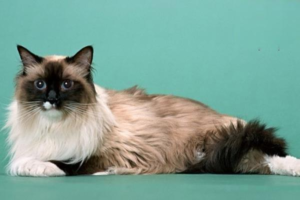
A cat that skips meals but stays bright is rarely sick — the usual culprits are a seasonal dip, treat-driven pickiness, heat, mood, or stale food, with oral disease the one to rule out by checking the gums. As long as the energy holds, fix the routine (set mealtimes, fewer snacks) and watch; a vet visit is only urgent if the spark fades too.

Understanding and Preventing Kidney Stones in Senior Pets
Senior dogs and cats are prone to kidney stones, with causes running from meat-heavy, vegetable-poor diets and low water intake to genetics and breed — purebreds are likelier victims. Once formed, stones are hard to cure and quick to return, so prevention leans on more water, a kibble-based diet with less meat and sodium, and more vegetables; only severe cases need surgery, which carries real anesthesia risk in older pets and requires a pre-op blood panel.

The Benefits of Exercise for Dogs and What to Watch For
Daily exercise keeps a dog at a healthy weight and lifts its mood by adding new sights, smells, and social contact to the routine. The right amount depends on the dog's size, breed, and life stage, and owners need to guard against overexertion, dehydration, and sunburn.