Search Results
1085 results for “Mat prevention”

Pyometra in Dogs and Cats
Pyometra is accumulation of pus in the uterus with proliferative endometrial inflammation in dogs and cats, causing lethargy, poor appetite, and often increased drinking and urination. Ovarian hysterectomy is the definitive cure, with medical therapy as an alternative in selected cases.

Endometritis in Dogs and Cats
Endometritis is acute or chronic bacterial inflammation of the uterine lining in dogs and cats, usually after whelping or parturition. Signs include abnormal estrus, lethargy, poor appetite, and uterine discharge; treatment reduces inflammation and restores uterine function, with hysterectomy when needed.

Vaginal Prolapse in Dogs
Vaginal prolapse is eversion and protrusion of the vaginal wall through the vulva, most often in proestrus or estrus females. It is often reducible, but prolapse during pregnancy can cause difficult labor and may require cesarean section to save the mother.

Vaginal Hyperplasia in Dogs
Vaginal hyperplasia is a proliferative swelling of the vaginal wall in female dogs, usually during estrus, driven by excess estrogen response. Small masses often resolve after estrus, but protruding masses that are abraded or infected require surgical removal.

Vulvitis and Vaginitis in Dogs and Cats
Vulvitis and vaginitis are bacterial inflammations of the vulva or vaginal mucosa in female dogs and cats. Signs are similar and include itching, redness, swelling, and inflammatory discharge; treatment focuses on cleaning and veterinary-directed antibiotics and is usually not life-threatening.

Cryptorchidism in Dogs
Cryptorchidism is a hereditary condition in which one or both testicles fail to descend into the scrotum by about six months of age. Unilateral dogs may still breed, but bilateral dogs are infertile and all affected dogs should be neutered early to avoid cancer and inherited risk.

Prostatic Cysts and Prostatitis in Dogs and Cats
Prostatic cysts form on a background of congenital prostatic malformation and benign enlargement, and become prostatitis when infected, usually secondary to urinary tract infection. Signs include increased ejaculate, deteriorating semen quality, fever above 40 C, and pain; antibiotics and surgery are the main treatments.

Orchitis, Scrotal Funiculitis, and Epididymitis in Dogs and Cats
Orchitis, scrotal funiculitis, and epididymitis are painful inflammations of the testicle and associated structures in dogs and cats, which may be acute or chronic. Severe orchitis can permanently affect fertility, and veterinary-directed antibiotics or surgical removal of the affected testicle are the main treatments.
Balanoposthitis in Dogs and Cats
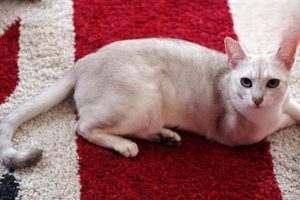
Balanoposthitis is inflammation of the glans penis and prepuce in dogs and cats, usually from bacterial invasion after abrasion or poor hygiene. It causes swelling, heat, itching, and inflammatory discharge, and is treated with cleaning and veterinary-directed antibiotics.

Paraphimosis in Dogs and Cats
Paraphimosis is the inability to retract the penis back into the prepuce, which can lead to swelling, impaired circulation, and, in severe cases, penile necrosis. Prompt veterinary care is needed to reduce the penis and treat the underlying cause.