Search Results
1086 results for “Mat prevention”

How to Prevent Cat Diseases
Cats are vulnerable to illness, but not every disease is unavoidable. The best defense is a proactive daily routine that stops problems before they start. By keeping your cat clean, feeding a balanced professional diet, and staying consistent with vaccinations and parasite control, you dramatically lower the risk of common feline illnesses. This guide walks you through the three pillars of prevention so your cat stays healthy and your household stays safe.

Cat Upper Respiratory Infection: Symptoms and Treatment
A cat upper respiratory infection is inflammation of the mucous membranes of the upper airways. Affected cats typically cough, sneeze, and have a runny nose, sometimes with yellow nasal discharge, and a sudden drop in temperature, poor nutrition, or stress can trigger an outbreak. The usual culprits are viruses such as herpesvirus and calicivirus, bacteria such as Chlamydia, and fungi such as Cryptococcus. This article covers the common pathogens, how viral, bacterial, and fungal infections differ in their signs, what else can mimic these symptoms, and the supportive care and medications veterinarians rely on to treat them, from keeping the eyes and nose clear to antiviral, antibiotic, and antifungal therapy.

Understanding Feline Hyperthyroidism
Hyperthyroidism is an endocrine disease from excess thyroid hormone, common in senior cats, usually from benign nodules. Signs include weight loss with ravenous appetite, restlessness, coat changes, and more; suspect it in any sick cat over ten. Treat by surgery, daily medication, or radioiodine; prevent via diet and regular checkups, especially with heart disease.

Preventing Common Spring Cat Diseases
Spring raises two risks. Urinary disease peaks in damp weather, driven by low exercise and water intake; watch for straining and act fast to avoid acute kidney failure. Colds strike with big day-night temperature swings; keep cats warm, dry, and sheltered from drafts, and seek care if they refuse food with a high fever.

Common Questions About Pet Insurance
Before you buy lifetime pet insurance, it helps to know the usual questions owners ask. Insurers will not cover pre-existing conditions, so the best time to buy is while your pet is young and healthy. Most policies cover accidents and illness after a waiting period, and many add wellness extras like vaccines. Watch the per-condition payout cap, deductible, and reimbursement rate, since these decide how much you actually get back.

What Is Storage Disease in Dogs?
Storage disease is a hereditary metabolic disorder where certain substances build up abnormally in the body's tissues. The two most reported forms in veterinary medicine are lysosomal storage disease and glycogen storage disease. It strikes dogs and cats, is very rare, and appears early in puppies and kittens because it is inherited. Nerve-related signs include poor growth, ataxia, seizures, exercise intolerance, behavior changes, and vision loss. Diagnosis uses blood, urine, imaging, biopsy, and enzyme tests; care is supportive, and affected dogs should never be bred.
What Is Stud Tail in Cats?
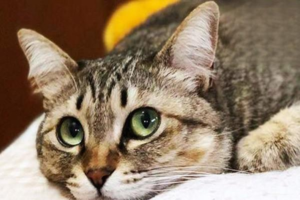
Stud tail is an overactive sebaceous gland at the base of the tail that pumps out too much oil, leaving a greasy, waxy buildup on the tail and the back of the hindquarters. Many cats feel nothing from it, but if bacteria, fungus, or yeast move in, it itches and can inflame. It is common in unneutered tomcats and breeds like Himalayans, Persians, Siamese, and Rexes. Mild cases clear with a benzoyl-peroxide shampoo; severe ones may need surgery. Neutering lowers the risk, and regular brushing helps.

Why Cats Love Running Water
A cat's fascination with running water is instinct, not mischief. In the wild, cats drink moving water because still water breeds unseen bacteria, and a dripping tap also triggers curiosity and a sense of hunting for sources. Cats also smell roughly 200,000 times better than we do, so they dislike the chlorine and stale scent of water left standing in a bowl. The fix is simple: a circulating fountain, water placed away from food, and a refresh two or three times a day. Good intake matters — low water leads to urinary stones and kidney disease.

Six Common Misconceptions About Raising Dogs
Six myths to drop: (1) making a dog stand often harms hips—some breeds have poor hip development, so avoid it and supplement calcium; (2) bathing too often strips protective skin oils and invites dermatitis—every 1–2 weeks is enough; (3) 'dogs don't hold grudges' is wrong—they just don't dwell on it, but chronic hitting/coldness makes them distant or depressed; (4) skipping walks fades the coat and weakens immunity—daily exercise matters; (5) skipping deworming raises parasite and skin-disease risk; (6) homemade food as the main diet causes pickiness and imbalance—balanced kibble should lead, with toppers added.

A Science-Based Cat Care Guide by Life Stage
Care changes with age. Milk kittens (0–2 months, 100–700 g) stay with mom, start socializing at 3 weeks, and get their first vaccine. Juveniles (3 months–1.5 years, 1–5.5 kg) need socialization, vaccines, deworming, rich food, and spay/neuter. Adults (1.5–7 years) need ongoing prevention, diet control, seasonal care, and play. Seniors (~7 years) need high-nutrient digestible food, a stress-free home, and more frequent checkups. As a rule of thumb, a cat's first year equals a human's 16–18, then each year adds about four or five.