Search Results
1086 results for “Mat prevention”

Causes and Treatment of Dog Hepatitis
Dog hepatitis can stem from infectious canine hepatitis, toxins or drugs (arsenic, mercury, plant alkaloids, phenols, chlorpromazine, testosterone, halothane), or liver-fluke parasites. Early signs are vague — lethargy, appetite loss, jaundice, vomiting — so a vet visit and blood work are needed; treatment removes the cause, supports the liver, and uses antivirals when viral.
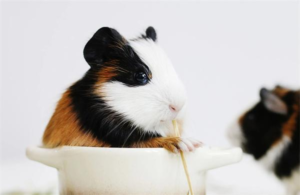
Common Guinea Pig Diseases and Their Symptoms
Guinea pigs commonly suffer digestive troubles (diarrhea, constipation, gut parasites), respiratory infections (pneumonia, bronchitis), skin disease from bacteria, fungus, or external parasites, and urinary issues (cystitis, nephritis). Good diet, clean housing, checkups, and prevention keep them healthy.
The Hidden Cost of Ignoring Your Dog’s Tartar
Tartar causes more than bad breath — it harbors bacteria that trigger gingivitis and periodontitis, erode the alveolar bone, and loosen teeth. Bacteria entering the bloodstream via gum wounds can cause sepsis, nephritis, or myocarditis, shortening a dog's life by 2–3 years. Treat with professional cleaning (and extraction if severe), and prevent daily with brushing, dental wipes/gel, and chews.

Why Do Dogs Get Eczema?
Dog eczema is triggered by allergies, physical or chemical irritants, heat and humidity, arthropod bites, excess carbohydrates or vitamin gaps in the diet, and underlying skin disease. Keep the coat dry, the environment clean, and allergic dogs well managed to lower the risk.
Why Is My Dog’s Eye Turning Blue? Watch for These Diseases
A blue eye can mean infectious canine hepatitis ('blue eye'), corneal edema, or cataracts (often blue-white); in a 6–7-year-old senior whose vision seems fine, it may just be nuclear sclerosis from aging. Most eye diseases can't be judged by eye alone, so the right move is a vet visit — tonometry, slit-lamp, and fluorescein staining pin down the cause.

Why Cats Are Prone to Feline Herpes (Cat Flu)
Cat flu (feline rhinotracheitis) comes from feline herpesvirus and hits weak or young cats hard; strays are commonly infected. Signs are sneezing, eye/nose discharge, and fever. The FVRCP vaccine prevents it; isolate suspects and add lysine.

How Is Feline Esophageal Stricture Treated?
Feline esophageal stricture (a scarred, narrowed esophagus) blocks food passage and shows as hard eating, vomiting, weight loss, and regurgitation. Mild cases improve with soft food; severe ones need esophageal balloon dilation or even partial removal, plus treatment of the underlying cause. Prevent it with a sensible diet, no corrosive-drug ingestion, and regular check-ups.

How to Quickly Treat a Cat With Urinary Blockage
Feline urinary blockage is an emergency—caused by urethral stones, urethritis, enlarged prostate, tumors, or stress-induced cystitis—where urine can't pass and the bladder over-distends. Get to a vet fast for IV fluids, catheterization (or bladder tapping), urine tests, and possibly surgery or meds; prevent it with plenty of water, a calm home, and neutering males.

What Is Cat Asthma and What Causes It?
Cat asthma is a common respiratory condition marked by coughing, wheezing, and difficulty breathing, triggered by allergies, air pollution, genetics, stress, or diet. Keep the home clean and well-ventilated, choose quality food, and seek veterinary care promptly if symptoms appear.

Can an Older Cat Have Surgery for Pyometra?
Pyometra is a life-threatening uterine infection in cats; surgery (ovariohysterectomy) is the definitive cure for both open and closed types. In seniors, higher anesthesia and comorbidity risk means the decision hinges on the cat's health—not age alone—with conservative hormone therapy as a last resort. Spaying is the best prevention.