Search Results
1086 results for “Mat prevention”
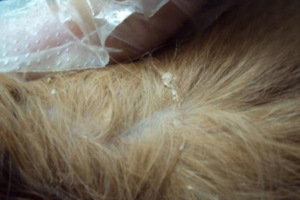
Is Matted Cat Fur a Sign of Skin Disease
Matted fur isn't automatically a skin disease; often it just means the coat wasn't brushed. But mats trap moisture and oil, creating a breeding ground for infection, and ringworm or an old wound can also cause clumping. Regular grooming and the right ringworm care keep the skin healthy.

Why Your Cat Keeps Retching
Repeated retching means something is wrong — most often a hairball, a swallowed foreign object, or gut parasites. Expel hairballs with paste, get any stuck object removed by a vet, and deworm on schedule to keep parasites off the table.

How Does Light Affect Rabbits?
Light shapes nearly every side of a rabbit's life, but only in the right amount. Longer days advance sexual maturity and support doe fertility (aim for 14–16 hours at ≥4 W/m²), while over-lighting bucks harms sperm and weight. Moderate light also drives coat growth and the twice-yearly molt, and keeps housing dry enough to fend off parasites and fungal skin disease.

Preventing and Treating Lice Infestation in Rabbits
Rabbit lice are an external parasitic disease driven by damp, dark housing that lets lice bite the skin and trigger intense itching and inflammation. Isolate affected rabbits, disinfect the hutch, and treat with neem leaves or a stemona (Baibu) wash or trichlorfon powder. Good sanitation and a dry, airy environment are the best defense.

The Secrets to Helping Your Dog Live Longer
A dog's lifespan is shaped first by body size—small breeds age slower than large ones—and then by the care it gets, with diet at the center. The core idea is to curb chronic inflammation through food: cut excess omega-6 and starch, and add omega-3, antioxidants, and compounds like sulforaphane and polyphenols that fight cellular aging.

Pet Vomiting (Part 3): Vomiting from Internal Parasites and Toxicity in Dogs and Cats
Internal parasites living in a dog or cat's gut irritate the intestinal lining and trigger vomiting, sometimes expelling visible worms. Food poisoning causes far more violent vomiting along with seizures and drooling, and demands immediate induced vomiting and gastric lavage. Routine deworming and keeping toxic foods — onions, grapes, chocolate, macadamia nuts — out of reach are the best defenses.

Pet Skin Diseases (Part 1): Parasitic and Fungal Infections
Skin disease is common in dogs and cats and tends to flare up and recur, usually because their skin defenses are weak and their surroundings are full of triggers. The two hardest types to clear are external-parasite infestations (fleas, lice, mites, ticks) and fungal infections (ringworm); both cause intense itching, hair loss, and skin damage and need treatment of both pet and environment. Since they are contagious and slow to resolve, early veterinary care and consistent parasite control are the keys to recovery.

Treating and Preventing Otitis Externa in Dogs
Effective treatment of dog ear infections starts with a deep clean and then targets the cause—parasites, fungi, bacteria, allergies, or growths—while severe cases need a vet. Prevention is simpler: don't over-bathe, keep the ears dry, and deworm and disinfect the environment on schedule.

How to Prevent Middle- and Inner-Ear Infection in Cats
Cat middle- and inner-ear infections usually start with an untreated respiratory infection or trapped moisture, so prevention means prompt care of sniffles, dry ears, gentle cleaning, and a clean, low-density home. Quarantine any new cat before it meets the resident crew.

Understanding Kennel Cough in Dogs
Kennel cough is a highly contagious respiratory disease in dogs caused by canine adenovirus type II (among other agents), marked by a harsh, repeated cough that worsens at night and with exercise. It spreads easily, especially in autumn and winter, but is preventable through vaccination and good husbandry.