Search Results
461 results for “Malnutrition”

Why Do Koi Get Enteritis?
Koi enteritis has many triggers: poor water quality, temperatures that are too high or low, malnutrition, dirty food, and viral or parasitic infection. Good pond management is the first line of defense—keep water clean and the temperature stable, feed a varied, hygienic diet, and test the water and control disease regularly. If a koi does develop enteritis, act fast: fix the water, use antibiotics or anti-inflammatory drugs as a vet advises, and adjust the diet to support recovery.

Can Cats Eat a Vegetarian Diet Long-Term?
A long-term vegetarian diet is not safe for cats and can seriously harm their health. Cats are obligate carnivores whose digestive systems are built to process meat, and they need nutrients—above all taurine—that only animal protein supplies. Without meat, cats develop nutritional imbalances, poor coats, weak immunity, diarrhea, and vomiting, plus shortages of vitamin A, D, calcium, and phosphorus that hurt vision and bones. For your cat's health, feed a science-based diet with enough animal protein.

How Long Can a Cat with Dementia Live?
Feline dementia (Cognitive Dysfunction Syndrome) does not kill directly, but its complications shorten life. Mild cases (occasional confusion, sleep disruption) often live 3–5 more years with good care; moderate-to-severe cases (loss of self-care, refusal to eat, disorientation) may survive only 2–3 years; if chronic kidney or heart disease is also present, just 1–2 years. Japanese clinical data show cognitive training and a stable environment can extend life by 47%. Watch for the DISH signs—Disorientation, Interactions lost, Sleep flips, House-soiling—and support the cat with a low-stimulus home, short brain games, and targeted nutrition.

How Does Tracheal Stenosis Affect a Dog?
Tracheal stenosis is a common airway problem, especially in small breeds. The narrowed windpipe blocks airflow, causing labored breathing and exercise limits, and can lead to complications such as voice loss and respiratory infection, plus poor appetite, swallowing trouble, and weight loss. Mild cases are managed with airway-relaxing medication; severe ones need reconstructive surgery. Keep the air calm and avoid strenuous activity, and learn canine CPR for emergencies.
Can a Chinchilla Eat Only Alfalfa Hay?
Feeding a chinchilla only alfalfa long-term leads to poor nutrition and health problems. Chinchillas are omnivores that need variety—grass hay, dried fruit, nuts, vegetables, and fruit—to meet all their needs. Needs also change with age: youngsters need more protein and calcium for fast growth, while adults need high-fiber hay to aid digestion and wear their teeth. Use alfalfa mainly for juveniles and shift adults toward timothy hay.

What Are the Symptoms of Coccidiosis in Guinea Pigs?
Coccidiosis in guinea pigs starts quietly—low energy, poor appetite, and weight loss—then progresses to diarrhea with blood or mucus as the parasites steal nutrients and damage the gut lining. Left alone it leads to malnutrition, low blood sugar (weakness, wobbliness, collapse), and can end in shock or death. Some pigs show nervous signs like tremors or a tilted head, fever, and clear digestive distress. Diagnosis is confirmed by finding oocysts under a microscope; treatment uses anticoccidial drugs (sulfonamides, quinolones) at the vet's dose, plus fluids and electrolytes for support. Prevention is clean housing, disinfection, balanced feed, and good parasite control—so see a vet early rather than waiting.

Does Abdominal Fluid in Cats Always Mean FIP?
Fluid in a cat's abdomen, or ascites, is a sign—not a diagnosis. It can stem from liver or heart disease, kidney failure, malnutrition, or peritonitis caused by infection, viruses, or injury, and only one of those causes is feline infectious peritonitis (FIP). Because the symptom alone cannot confirm FIP, diagnosis needs bloodwork, imaging such as X-ray or ultrasound, and viral testing. If your cat shows a swollen belly, lethargy, fever, or breathing trouble, see a veterinarian promptly to find the real cause.

Chinchilla Losing Whiskers? Causes and Care
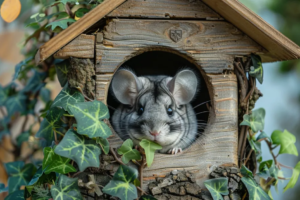
Chinchilla whiskers can fall out for many reasons—some harmless, others worth attention. Natural shedding is normal and needs no treatment beyond good nutrition, but over-grooming, fungal or parasite infections, and vitamin or protein deficiencies can also cause whisker loss. If whiskers drop on their own with no other symptoms, simply watch your pet's behavior and keep its environment clean and safe. When loss persists or comes with other signs, a vet visit is the right move. Reducing stress, correcting the diet, and maintaining hygiene all help the whiskers grow back.
Why Is My Hamster Limp and Weak?
A hamster that feels limp and weak can have many causes, and the symptom alone is hard to pin down. Common reasons include a poor environment, low blood sugar, malnutrition, digestive trouble, or infection such as respiratory disease, liver problems, or diabetes. Offer rich nutrition and a warm, clean, well-ventilated home with room to move, and if weakness continues or comes with vomiting, diarrhea, discharge, or temperature change, take the hamster to a veterinarian.

Early Signs of Cheek Pouch Inflammation in Hamsters
Cheek pouch inflammation in hamsters is usually caused by bacterial infection, poor nutrition, overeating, or a sharp object scratching the pouch, and it can cause appetite loss, bad breath, and lethargy. Left untreated it may become life-threatening. Early signs include reduced appetite, food stuck in the pouch, trouble drinking, and low spirits. Prompt care, gentle massage, diet adjustment, hygiene, and veterinary-guided antibiotics are the main treatments.