Search Results
461 results for “Malnutrition”

Dietary Causes of Picky Eating in Cats
Cats turn picky for diet-related reasons: too many palatants in cheap kibble, too many snacks, a monotonous diet, or simple taste fatigue. Pickiness harms health, so vary the diet from kittenhood, mix favored and needed foods, and warm or moisten meals to boost aroma — without moving the bowl around.

Preventing and Treating Rabbit Bordetellosis
Rabbit bordetellosis, caused by Bordetella bronchiseptica, is a chronic respiratory infection that hits young rabbits hardest, especially in spring and autumn. Keep it out with closed-herd breeding, strict sanitation, and biannual vaccination, and treat outbreaks with isolation and Gram-negative antibiotics.

Why Is My Cat Thin and Unable to Gain Weight?
If a cat eats normally but stays thin, take note — it may be sick. Common causes are internal parasites that steal nutrients, poor gut absorption, high activity (common in kittens), or low-quality grain-heavy kibble. Switch gradually to a nutritious, palatable food, and if weight keeps dropping, see a vet, since diet alone won't fix an underlying problem.
How often should a dog be given external deworming?
External deworming can be every 1-3 months, based on the situation. Dogs with little fur or little outdoor time can extend to 2-3 months; those often in grass or woods with parasites need more frequent treatment. If parasites are found on the dog, deworm immediately to stop them stealing nutrition and causing malnutrition or metabolic issues.
What happens if a dog has too many intestinal parasites?
Too many intestinal parasites can cause diarrhea, constipation, and indigestion, because they absorb nutrients and release toxins, inflaming the gut. They also steal nutrition, causing poor condition, weight loss, dull coat, weakness, and anemia. Too many worms can damage the immune system and lower resistance to other diseases.

Benefits of Feeding Ornamental Fish Commercial (Artificial) Food
Commercial fish food is formulated for specific fish and life stages, giving complete, well-balanced nutrition and a long shelf life. Mix it with live food for appetite, buy reputable brands, and judge quality by date, smell, palatability, and droppings.
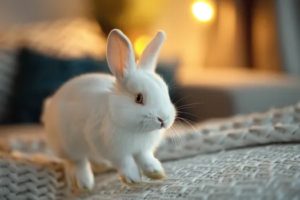
What to Do When Your Rabbit Won’t Eat Pellets
A rabbit may refuse pellets if they taste bad, after a sudden switch, or from gut upset. Pick high-fiber pellets, switch over 7 days, feed hay as the 80% staple, and see a vet if illness is the cause.

What Not to Do When Raising a Rabbit
Pet rabbits need care and skill; they are fragile with sensitive guts and specific temperature and humidity needs. Neglect leads to illness and death. Here are the don'ts of keeping a pet rabbit.

Is a Cat That Won’t Gain Weight Sick?
A cat that stays thin may be sick, but not always. Sometimes it eats a lot yet takes in too little nutrition, for example on long-term low-quality kibble. Here are the common reasons a cat stays slim.

Why Does a Dog Eat Its Own Poop?
Many find it unbelievable, but dogs eat their poop for reasons. Find the cause and correct the habit. Here are the reasons a dog eats its own stool.