Search Results
1501 results for “Loss of appetite”
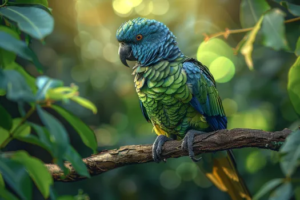
When Do Budgerigars Molt, and What Are the Signs
Budgerigars typically molt in June–August for 2–3 months and again about four months later to grow winter down. Signs include frequent feather loss, poorer appetite with some weight loss, and moody, sensitive behavior. Because molting birds are fragile and parasite-prone, feed a varied balanced diet and deworm if you see red, scabby skin or feather-pecking.

How to Wean Kits (Baby Rabbits)
Wean kits to let the doe recover and the young adapt: breeding/Angora/Rex at 30–40 days, meat rabbits at 28–35 days, or before 28 days under intensive 'blood mating'. Use one-time weaning for uniform litters and staged weaning for uneven ones, cut the doe's concentrates first to prevent mastitis, and keep kits in their original hutch 3–5 days post-weaning to reduce stress and losses.

5 Good-Looking, Easy-to-Keep Pet Rabbit Breeds
Rabbits are adorable and popular, but breeds vary. This guide highlights five attractive, beginner-friendly rabbits—Lionhead, Lop, Angora, Panda and Mini Rex—with notes on temperament and basic care.

How to Tell If Your Chinchilla Is Sick
Chinchillas are subtle when unwell, so early signs are easy to miss. This guide shows what to check—eyes, anus, droppings, coat, teeth—and lists common illnesses (cold, heatstroke, enteritis, dental) with symptoms.

Can Water Mold Disease in Turtles Be Avoided? (Causes & Prevention)
Water mold disease is preventable. Although Saprolegnia is widespread in water, its presence alone does not cause the disease—infection requires a wound. A healthy, uninjured turtle will not get water mold, so the key is good husbandry: smooth enclosures, regular sunlight, balanced nutrition, and clean water. Early signs include gray-white spots and white fuzzy growths on the skin and shell; untreated, the disease progresses to swelling, ulcers, appetite loss, and death.

What to Do When a Guinea Pig Is Frightened
Guinea pigs are timid and startle easily in noisy settings, freezing stiff or, if severe, stressing into rigidity, twitching, screaming, and appetite loss. Calm them with a warm quiet semi-enclosed space, gentle words and strokes (if bonded), favorite snacks, and a vet if it does not pass.

Cat Calcium Deficiency: Symptoms and Fixes
Cat calcium lack shows as unexplained twitching, incomplete bone growth (rickets, paralysis), slow growth, uneven teeth (a double row), and poor appetite. Fix with quality food plus meat and supplements like liquid calcium, and sun for absorption; pregnant and lactating mothers need extra.

Key Management for Raising Baby Rabbits
A baby rabbit is usually one from weaning to three months, the hardest age to keep and the time with the highest death rate. Here are the key management tasks to raise survival.

Why Chinchillas Get Heatstroke — and How to Prevent It
Chinchilla heatstroke comes from heat above 30°C, high humidity, heavy exercise, or dehydration. Mild cases droop and lose appetite; severe ones coma, arch the head, stiffen, and foam — and die fast. Keep the environment below 28°C with good ventilation and humidity control, avoid exercise and sun in heat, and always provide water. Indoors is safest.

Rabbit Mange (Scabies): Symptoms and Control
Rabbit mange is a highly contagious mite infestation starting on low-fur areas (nose, eyes, claws, ears) and causing intense itch, scabs, hair loss, weight loss, and death if untreated. Isolate the sick rabbit at once, disinfect everything, and treat mild cases with ivermectin or trichlorfon plus 2% iodine; keep housing clean, dry, and well-lit to prevent it.