Search Results
1501 results for “Loss of appetite”

Possible Causes of Sudden Death in Arowana
Arowanas are hardy, adaptable, and long-lived, so a sudden death usually means the owner missed an underlying illness—the fish was sick, not suddenly fatal. This article analyzes the likely causes of abrupt arowana death.

Symptoms and Treatment of Postpartum Depression in Cats
The greatest love is a mother's. Birth is painful, and some mothers fall into depression, withdrawal, and self-doubt afterward—and cats are no exception. This article covers the causes, symptoms, and treatment of feline postpartum depression.

Key Techniques for Raising Rabbits
Whether for meat, wool, or as a pet, rabbits need scientific care: a fiber-rich diet in small frequent meals, clean non-tap drinking water, a steady 20°C environment, and strict hygiene with 12–15 hours of light. Master these to keep rabbits healthy.

Can a Hamster Die from a Cold, and How to Treat It?
A plain hamster cold rarely kills if caught early, but unchecked cold plus low temperature can be fatal. Mild cases need warmth and rest; worse ones may need banlangen or, for severe cases, amoxicillin—see a vet if no improvement.

What to Do If Your Turtle Lacks Calcium, and How to Supplement
Calcium deficiency deforms the shell and slows growth and appetite. Fix it with calcium-rich foods (shrimp, cuttlebone), calcium tablets or powder, and daily sun or UVB—but avoid overdoing it, which can cause stones.

Why Is Your Dog’s Tongue an Abnormal Color?
A dog's tongue color signals health: pink is normal, pale hints at anemia or poisoning, red with swelling at melanoma, purple at oxygen loss, and black at inflammation or niacin deficiency. Sudden changes mean a vet visit.

What Are the Aftermaths of Canine Distemper, and How to Care for a Recovered Dog?
Even after recovery, distemper leaves permanent nerve damage—memory loss, easy illness, breathing trouble, poor coordination, twitches. Long-term rehab, a soft digestible diet, and vet-prescribed anti-seizure or respiratory meds help manage them.

Hazards of Rabbit Malocclusion and How to Prevent and Treat It
Malocclusion is fairly common in rabbits — some are born with it, while others develop overlong teeth from insufficient chewing, leading to malocclusion. What harm does it cause, and how should you prevent and treat it? Read on.
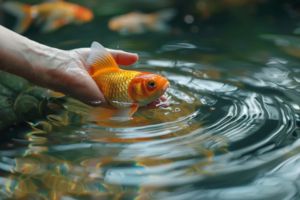
Nutritional Requirements of Goldfish
Goldfish need a balanced diet of protein, fat, carbohydrates, minerals, and vitamins to grow and stay healthy. This guide breaks down each nutrient, how much to feed at different life stages, and the right carbohydrate range (25–30%) for the feed.
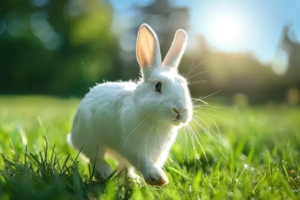
Why Is Your Rabbit Drooling? Causes and What to Do
Rabbit drooling usually signals stomatitis or another mouth problem rather than normal behavior. Common causes include vitamin deficiency, rough or sharp food, and overgrown teeth. This guide explains the causes and how to clean the area, adjust the diet, supplement vitamins, and treat the mouth.