Search Results
1501 results for “Loss of appetite”
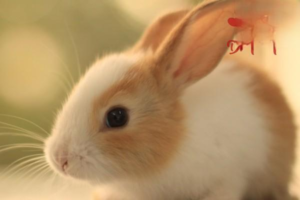
Rabbit Sialorrhea (Excessive Drooling): Causes and Treatment
Sialorrhea simply means a rabbit drools. Healthy rabbits don't drool, so drooling means illness. Here are the causes and treatments of rabbit sialorrhea.

Early Warning Signs Your Dog Is Sick
Owners often miss early signs because they do not know abnormal behavior signals illness. Dog sickness is like a baby's—even a mild cold, if missed, worsens. Knowing early signs is essential. Here are the premonitory signs.

Signs of Vitamin Deficiency in Dogs
Vitamins work together for dog health. Deficiency shows observable changes. Here are the signs of vitamin deficiency in dogs.
What Are the Early Symptoms of FIP?
FIP is second only to panleukopenia in threat to cats, caused by mutated coronavirus. This guide outlines the early, middle, and late symptoms of FIP and the two antiviral drugs, stressing early treatment.
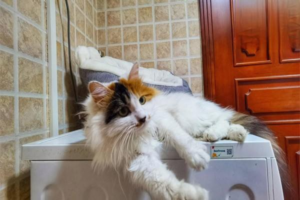
Cat’s Belly Is Swelling: How to Tell If It’s FIP
A swollen belly doesn't automatically mean FIP—wet FIP causes ascites, but so do liver or cardiac ascites and pregnancy. This guide covers FIP symptoms, how to distinguish them, and the diagnostic workup.

Types of Heart Disease in Rabbits
Rabbits can develop several types of heart disease—congestive heart failure, congenital defects, arrhythmias, cardiomyopathy, valve disease, and vascular disease. Most are rare and hard to spot early, so know the signs and don't panic.

Feline Coronavirus and FIP: Understanding the Connection
Feline infectious peritonitis (FIP) is caused by a mutated feline coronavirus. It is not actually contagious, but it is serious. This guide covers what FIP is, its dry and wet forms and symptoms, and what to do if a cat is infected.

Recognizing Heart Disease in Rabbits
A rabbit's resting heart rate is 140–180 bpm and rises under stress; hidden heart disease shows as low activity, bloating, odd posture, and fast breathing. The rabbit heart has unique anatomy, so vet diagnosis is essential.

How to Correct Your Dog’s Habit of Eating Too Fast
Eating too quickly is an unhealthy behavior in dogs and can lead to serious digestive conditions such as gastric dilation and bloat (gastric torsion). This guide explains why dogs bolt their food and offers practical training methods—slow-feeder bowls, smaller and more frequent meals, and food enrichment—to help them slow down.

How to Help a Thin Cat Gain Weight
A thin cat may be underweight due to genetics, poor diet, parasites, digestive disease, or dental issues. Rule out illness with a vet first; then raise the diet's nutritional density, feed small frequent meals, and add gentle play to boost appetite and build a healthy body.