Search Results
1501 results for “Loss of appetite”

Is It Normal for a Kitten to Drink a Lot of Water?
A cat that suddenly drinks far more than usual is usually responding to either diet or disease. Dry or salty food can temporarily raise intake and tends to self-correct, but persistent thirst often signals a medical problem — most commonly chronic kidney disease, Cushing's disease, pyometra, or diabetes. Any unexplained spike in drinking warrants a veterinary check.
3 Essential Skills Every Rabbit Owner Should Know
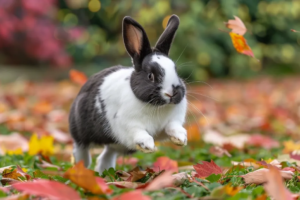
Three rabbit-keeping skills pay off: pick the animal up by the scruff with hindquarter support (never the ears — that harms hearing and heat loss), read heat signs (reduced appetite, stamping, and a pink→red→purple vulva, with red meaning peak fertility), and give injections — mostly subcutaneous at the neck, intramuscular in the hindquarters, or intravenous in the ear. Hesitation with shots delays treatment.

Do Probiotics Help a Constipated Cat?
Probiotics mainly regulate gut flora and help prevent constipation, not cure it — severe cases need a vet. Watch for frequent straining, lost appetite, and a hard swollen belly (a vet emergency). Prevention: high-fiber food, plenty of water, more play, regular brushing for hairballs, belly massage, and a clean litter box. Never use a human enema — its magnesium can be fatal.
Vitamin B Deficiency and Toxicity in Cats
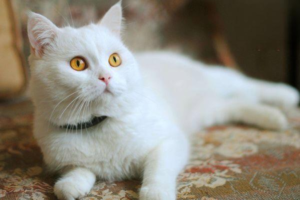
Cats need B vitamins, but the margin matters: too little brings dry coat, weakness, and spasms, while too much — usually from loading up on liver or human supplements — causes gum disease, stiff neck, poor bone growth, and dull coat. Skip human vitamins and liver-heavy diets; if toxicity appears, cut the source and rebalance with vet-guided fluids and calcium.
Cat Rhinotracheitis: When Your Cat Stops Eating and Drinking
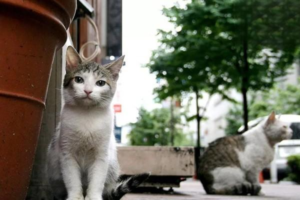
Feline rhinotracheitis (cat flu) blunts a cat's appetite in stages — reduced eating mid-illness, outright refusal once it's severe — because thick nasal discharge blocks scent and therefore the urge to eat. Clear the nose and offer strong-smelling foods like tuna or salmon; if the cat still won't eat, syringe-feeding under veterinary guidance may be needed.

Cat Kidney Failure: Symptoms and Treatment
Kidney disease is a leading killer of cats, and renal failure comes in two forms — acute (ARF), often from blockage, toxins like antifreeze, or infection and reversible with fast care, and chronic (CRF), a progressive, permanent decline common in older cats. Management means prescription renal food, ongoing meds, appetite support, and plenty of water; catch it early, because CRF hides until uremia appears.
Why Older Cats Are Prone to Hyperthyroidism
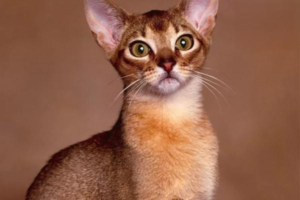
Hyperthyroidism is the most common endocrine disease in cats, especially those over 8, caused by an overactive thyroid flooding the body with hormone and stressing every organ. Look for weight loss with a ravenous or fading appetite, restlessness, a fast heart rate, and more; it's very treatable with medication, surgery, radioiodine, or an iodine-restricted diet, and early care brings a good outlook.

Cat Diabetes? Owners Need to Take a Hard Look
Feline diabetes is usually driven by overfeeding treats and obesity, with type II (insulin resistance) most common. Watch for ravenous appetite with weight loss and excess drinking/urinating; it's managed, not cured, through high-protein low-carb food, measured meals, and insulin. Neutered males over 8 are most at risk.

Are Cat Cold and Feline Herpesvirus the Same?
A cat cold and feline herpesvirus look alike but aren't the same: herpes brings thick yellow-green discharge and can ulcerate the cornea or blind. Herpes needs isolation, antibiotics, and eye drops; a plain cold needs warmth, cat cold medicine, and a dry coat.
Telling a Cat Cold Apart from Feline Panleukopenia (Distemper)
A simple cat cold brings sneezing, runny nose, and a mild fever that often resolves in a few days. Feline panleukopenia (distemper) is far more dangerous: a high fever of 40–41°C, repeated vomiting of yellow bile, and bloody, foul-smelling diarrhea. Any sudden high fever should be treated as an emergency and checked by a vet immediately.