Search Results
1501 results for “Loss of appetite”

New Puppy Has Soft Stools or Diarrhea at Home? Don’t Panic
A puppy that develops soft stools or diarrhea within two days of arriving home is common and usually a stress reaction, sudden food change, or temperature swing, especially in weak pups from poor breeding sources. Their digestive systems are immature and easily upset. The right response: keep the environment calm and warm, stop switching foods, and feed only what the breeder used, in 4-5 small meals a day, or a bland congee of lean meat, chicken, or millet. A pet-specific live probiotic helps restore gut balance. If it persists, see a vet to rule out parasites or infections like parvovirus, which bring lethargy, vomiting, and fever.

What Are the Signs That a Dog Is Sick?
Dogs cannot tell us in words when they feel unwell, so owners must read the signals their bodies send. A sick dog may show a sudden drop in appetite, much less energy, or unusual tiredness after light play. Vomiting and diarrhea often point to digestive trouble, parasites, or infection, while heavy shedding beyond the normal amount can signal skin allergies, pests, or nutritional or hormonal problems. A temperature above 39.5°C, rapid or labored breathing, and a fast heartbeat suggest fever, respiratory or heart issues that need prompt care. Pain and discomfort can also change a dog's mood, making it withdrawn, anxious, or snappy. If you notice any of these signs, see a vet for diagnosis and a treatment plan. Prevention helps too: keep up with deworming and vaccines, feed balanced clean food, keep the home dry and sanitary, and add warmth during seasonal changes.
Dog Gastroenteritis with Bloody Stool: A Recovery Case
A 5-year-old dog passed soft stool with a little blood at the end for nearly a week, yet kept a good appetite and energy—pointing to chronic enteritis or gut overload rather than a severe acute illness. With gut-protecting, antibiotic, and probiotic support plus a bland diet, the stool normalized within a day. The case shows how diet and the right care heal a fragile gut.

Signs a Goldfish Is Near Death
Goldfish usually live six to seven years with good care, but they do show warning signs near the end. Look for dropping appetite with a sunken belly, less swimming and sluggish movement, rapid or open-mouth breathing, fading or paling color with darkened lips, no droppings from not eating, fin damage or a misshapen mouth, and withdrawn or restless behavior. If these come from illness, treat it; if the fish has simply reached old age, the kindest step is to accept it and care for its comfort.

What to Keep in Mind When Using Topical Flea and Tick Treatment on Cats
Cats can pick up external parasites at any time of year, so regular preventive treatment matters. Topical products come as sprays or spot-on drops, and their coverage depends on the active ingredient, so the right choice depends on your cat's lifestyle and the parasites it faces. Apply spots along the spine, dose by weight, avoid bathing for a few days, and use an Elizabethan collar to prevent licking. Kittens can start around two months old with monthly treatment; adults need it every one to three months, more often in warm seasons or for outdoor cats. Never use dog-only products containing permethrin on cats.

Why Is My Dog So Sleepy in Summer?
Many dogs seem lazier and sleep far more once summer arrives. In most cases this is a normal response to heat—dogs cool themselves mainly by panting and through their paw pads, so they naturally slow down to avoid overheating. However, persistent lethargy paired with panting, a rising temperature, or appetite loss can signal heatstroke or illness. Keep your dog cool, hydrated, and walk them during cooler hours to stay safe.

Why Cats Eat Less in Winter (and What to Do)
Cats are poor at regulating body temperature, so when it gets cold their metabolism slows and appetite often drops. Lower winter activity also weakens gut motility, slowing digestion and leading to reduced interest in food. Appetite loss can also signal a health problem—a chill, a cold, oral disease, or long-term cold drinking water causing stomach upset. To help, warm your cat's surroundings, feed on a fixed schedule, and boost palatability by mixing in favorites like chicken, fish, freeze-dried treats, or egg yolk, and serve food slightly warmed. If you notice sneezing, runny nose, lethargy, fever, diarrhea, or vomiting, see a vet.
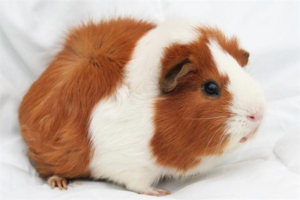
What to Do When Your Guinea Pig Won’t Drink Water?
Guinea pigs need a steady supply of fresh water, and refusing to drink can quickly lead to dehydration and digestive trouble. The cause is often practical rather than medical: too much moisture in their food, stale or dirty water, a poorly placed bottle, or simply a bad habit. Most cases improve once you trim watery produce, switch to a proper small-pet water bottle at the right height, keep it scrupulously clean, and gently train your pet to use it. If a sudden refusal to drink comes with low appetite or lethargy, see a veterinarian to rule out illness.

Common Causes of Coughing in Dogs
Coughing in dogs most often points to a problem in the respiratory system, but it can also come from heart disease, infectious illness, a swallowed object, or even a fracture. Watching the type of cough - wet, dry, weak, or continuous - and noting whether the dog also loses appetite, runs a fever, or has nasal discharge helps you and your vet pin down the cause. A wet cough with phlegm suggests airway disease, a harsh dry cough may be kennel cough, a weak cough can mean pneumonia, and a repeated dry cough may signal heart trouble. Many conditions from roundworms to heart failure, tracheal collapse, pneumonia, and distemper can all show up as coughing, so persistent or severe cases deserve a veterinary check.
What Are the Symptoms of Parvovirus (Parvo) in Dogs?
Canine parvovirus presents in two forms — enteric and myocardial. The enteric form starts with lethargy, poor appetite, drowsiness, and fever, then progresses to soft stools, diarrhea, and vomiting with foul-smelling, soy-sauce- or rotten-tomato-colored watery stool. The myocardial form often shows no warning signs and can be fatal within hours.