Search Results
1501 results for “Loss of appetite”

What Causes Watery, Foul-Smelling Dog Stools with Blood?
When a dog has watery stools with a bloody, foul smell, diarrhea, or blood in the stool, many owners first fear infections like parvovirus or coronavirus. But not only infections cause watery stools. This article explains the possible causes of bloody, foul-smelling diarrhea in dogs.

Toxic Plants for Cats and Dogs (Part 2)
Some indoor plants are highly poisonous to cats and dogs - including their pollen, needles, seeds, and flowers - and the toxins can be fatal. This article lists more plant species that are harmful to cats and dogs.

How to Prevent and Treat Rabbit Toxoplasmosis
Rabbit toxoplasmosis is a serious parasitic disease best treated with sulfonamide drugs. This guide covers the clinical signs, the standard medication regimen, and the sanitation measures that prevent infection.
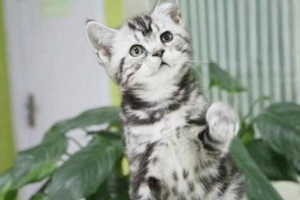
What Happens When a Cat Is So Scared It Pees, and How to Calm It
A cat that loses bladder control from fright is showing a severe stress response that can trigger urinary or digestive problems. This guide explains the risks and the steps owners should take to soothe a scared cat.
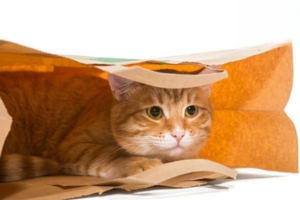
What to Do When a Mother Cat Breathes Rapidly After Giving Birth
Rapid breathing in a mother cat after birth is often normal in the first 2–3 days, as delivery drains her energy and nutrients. Support her with nutrition and rest, avoid baths, and see a vet if symptoms persist or worsen.

How to Treat Pododermatitis (Sore Hocks) in Rabbits
Sore hocks in rabbits are often caused by wire cage floors and poor hygiene, leading to foot inflammation and ulcers. This guide covers the causes, symptoms, and several home and veterinary treatment methods, plus prevention.

Why You Should Never Grab a Cat by the Tail
Grabbing a cat by the tail is painful and risky: the tail is made of small bones linked to nerves and muscles, and pulling it can injure bones, nerves, and balance, even upsetting the stomach. A frightened cat also loses trust in you. Always let the cat come to you and support its chest and hindquarters instead of the tail.
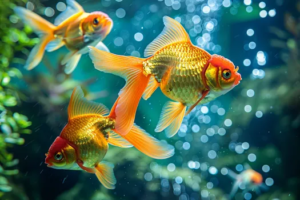
Why Is Your Goldfish Sitting at the Bottom of the Tank?
Goldfish sit at the bottom for many reasons — resting, stress from a new environment, low temperature, sudden water changes, or illness. If the fish perks up when the light brightens, it is just resting and needs no action. If poor water quality is the cause, change the water promptly; if it is sickness, treat the specific disease. Regular water care and stable temperatures prevent most cases.

Seasonal Cat Care: Managing Your Cat Through the Year
A cat's care needs change with the seasons. Spring brings heat and shedding, summer risks heatstroke, autumn is breeding and molting season, and winter calls for sunlight and warmth. This guide covers the key management points for each season.
What are the symptoms of a dog’s pancreatitis relapse?
Relapsed pancreatitis shows similar signs: abdominal pain, diarrhea, vomiting, appetite loss, sometimes fever. Blood tests show raised lipase and amylase. See a vet promptly; manage diet strictly, avoid fatty food, and feed small frequent meals to lower relapse risk.