Search Results
1495 results for “Loss of appetite”

Rocky Mountain Spotted Fever in Dogs
This article explains what Rocky Mountain spotted fever in dogs is. It is an infectious tick-borne disease caused by Rickettsia. When an infected tick transmits the disease, it must attach to the host for 5 to 20 hours.

What to Do After a Dog Is Poisoned
If a dog shows signs of poisoning, it should be taken to the veterinary hospital immediately.
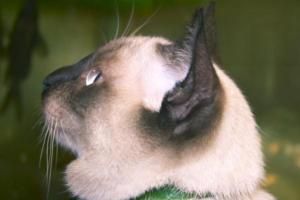
What Medicine to Give a Cat with a Fever
What should we do if our cat shows fever symptoms? Most owners think of giving medicine, but few know what to give a feverish cat, so they cannot treat the cause and the cat suffers. Here we explain what medicine a feverish cat should take, for targeted treatment.

Do Cats Feel the Heat in Summer?
When summer arrives, many people think their cat is too hot and shave it completely to ward off the summer heat. Is this the right thing to do?

What to Do If Your Cat Swallows a Foreign Object
Items a cat may swallow: thread and needles, wool, hair ties, rubber bands, coins, balloons, earplugs, fruit seeds and pits, nut shells, baby-bottle nipples, and various fibers.

Health Problems in Cats Caused by Poor Nutrition
This article introduces four cat health problems caused by diet. As they say, illness enters through the mouth — true for people and cats. A high-quality, balanced diet is vital to feline health; we hope this sounds a warning for owners to take their cat's nutrition seriously.

Symptoms That Show Your Cat Is Sick
Cats are extremely stoic pets, so it's hard to tell if they have a health problem.

What’s Most Commonly Found in Dog Poop?
What are the most common things found in dog poop?

How to Solve a Dog’s Chronic Constipation
Constipation in dogs comes from low fiber, little exercise, or underlying illness, and counts as no stool for 48 hours. Mild cases improve with more walks, water, and plain pumpkin or apple.

Cat Blood in Urine and Not Eating – What to Do
Blood in a cat's urine is often from urethral injury, causing frequent, painful urination and hematuria - usually a stone blocking the urethra. The most thorough fix is catheterization and stone removal, with urethroplasty if needed.