Search Results
1495 results for “Loss of appetite”
What should I do if my dog suddenly stops eating and drinking and becomes listless?
Sudden loss of appetite and energy in a dog often points to fever, infection, or gastroenteritis. Check rectal temperature above 39.3 C for fever, but if vomiting or diarrhea accompanies it, seek veterinary care to rule out serious disease.
What should I do if my dog won’t eat and seems lethargic?
Loss of appetite and low energy can signal illness, heat, or simply boredom. Watch for fever, vomiting or breathing trouble, and see a vet if symptoms appear.

What Are the Signs That a Cat Is Sad?
Sad cats often show it through loss of appetite, hiding, watery eyes, over- or under-grooming, and poor sleep. Comfort them by respecting their space, offering a safe retreat, and engaging in calm, low-pressure interaction.
Symptoms of fever in dogs
A dog's normal temperature is 38.5–39.5°C; above 39.5°C indicates a fever. Signs include lethargy, loss of appetite, dry nose, and a hot body. Cool with diluted alcohol and see a vet.

Can Hamsters Carry Parasites on Their Bodies?
Hamsters can indeed pick up parasites such as lice, ticks, and fleas, though infection is not common and depends heavily on their living environment and overall health. These parasites can spread through food, water, or bedding and may cause loss of appetite, weight loss, a dull coat, and itching. Because parasites can also pass to owners, prevention matters. Keep the cage clean and dry, disinfect regularly, feed fresh food and water, schedule vet checkups and deworming, and wash your hands before handling. If an infection occurs, consult a vet promptly, follow the prescribed treatment, disinfect the enclosure, and treat all hamsters in the home to stop the spread.

Why Is My Dog Dry Heaving?
Dogs dry-heave for many reasons, from a foreign object or irritation in the throat to parasites, indigestion, too much exercise, or illnesses like kennel cough and distemper. If a stuck object or irritation is the cause, removing it usually stops the heaving at once. When dry heaving comes with other signs such as fever, coughing, lethargy, or loss of appetite, see a veterinarian promptly to find and treat the underlying cause. Regular deworming and vaccination are the best long-term protection.

Symptoms and Treatment of Intussusception in Dogs
Intussusception in dogs shows up in many ways, including loss of appetite, vomiting, abdominal pain, and diarrhea. Without timely treatment, the symptoms worsen as the condition progresses. Severe cases may bring intense abdominal pain, frequent vomiting, a swollen belly, abnormal posture, and intra-abdominal bacterial infection. Mild intussusception can often be corrected with air-enema reduction, while serious cases require surgery. This article details how to recognize the signs, the treatment options available, and the preventive steps that lower the risk of this serious digestive emergency.

Is Dog Regurgitation Normal?
Regurgitation—when a dog brings food back up shortly after eating and re-chews it—is usually a normal part of digestion, especially in dogs that eat too quickly. It helps break food down and improves nutrient absorption. However, frequent regurgitation can also signal indigestion, a diet too greasy or low in fiber, or stress and anxiety. In most cases there is no need to worry, but if regurgitation is accompanied by vomiting, loss of appetite, or happens repeatedly, it may point to a digestive problem that needs a vet's attention. Adjusting feeding habits and food quality is the best prevention.
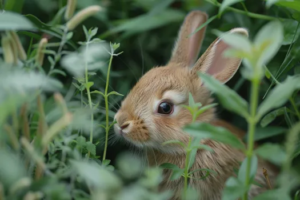
Why Does My Rabbit Keep Tearing Up?
Rabbits that constantly tear up may be reacting to simple irritants, eye infections, blocked tear ducts, dental disease, or even congenital eye conditions. Because persistent tearing can signal discomfort or an underlying problem, owners should keep the eye area clean, maintain a hygienic habitat, and ensure a balanced diet. If the tearing worsens or appears with redness, discharge, swelling, or loss of appetite, a veterinary exam is essential. This article covers the common causes and the practical home care steps you can take to keep your rabbit comfortable and healthy.
How to Supplement Vitamin B for Your Cat
Vitamin B deficiency in cats frequently appears as skin trouble—especially ringworm—along with a dull coat, weight loss, and loss of appetite, and in serious cases it can progress to eye and nerve problems. Because cats cannot store or synthesize enough B vitamins on their own, daily diet matters. This guide covers the warning signs of deficiency, why human B supplements are a poor fit for cats, and safe ways to meet their needs: B-rich cat food, small amounts of fruit, thorough drying after baths, regular disinfection of bedding and surroundings, and sunlight to help keep skin healthy.