Search Results
1501 results for “Loss of appetite”
Cat Trichomoniasis: Soft Stools, Diarrhea, and What to Do
Cat trichomoniasis is caused mainly by Tritrichomonas foetus, a protozoan that lives in the large intestine and triggers colitis — think frequent soft, bloody stools. It spreads easily via the fecal-oral route, so isolate sick cats and disinfect. The main treatment is ronidazole plus gut support; most cats recover within 2 years.
Is Feline Leukemia Contagious? What Every Cat Owner Should Know
Feline leukemia (FeLV) is contagious — but only between cats and other pets, never to people. It's a retrovirus spread through saliva, nasal fluid, urine, and milk that weakens the immune system. There's no cure, so prevention matters: vaccinate kittens, keep cats away from strays, and test and isolate any new cat for two weeks.
Should Rotten Teeth in Senior Dogs Be Extracted? Risks and Aftercare
Rotten teeth in senior dogs cause constant pain and can let oral bacteria spread through the blood to the heart, kidneys, and liver. Severely decayed or infected teeth are usually best extracted. Before surgery, run bloodwork, biochemistry, and a heart ultrasound to plan safe anesthesia; recovery takes about 7–10 days with soft food and mouth care.
Should You Soak Your Dog’s Kibble in Water? When It Helps and When It Doesn’t
Soaking kibble helps puppies (1–3 months), seniors, and dogs with mouth or digestion issues move to solid food gently. But healthy adult dogs shouldn't eat softened food long term — chewing dry kibble cleans teeth and prevents tartar. Keep water at ~40°C, soak just 5–10 minutes, and don't let it sit and breed bacteria.
What are the signs after a cat is spayed?
Short-term after spay: lowered appetite, lethargy, less activity, restlessness — from wound pain, normal, easing in 10–15 days as it heals. Use an Elizabethan collar. Some cats get 'insecure' (poor appetite, apathy) — give more company and reassurance and distract them.

Signs a Dog Has Been Beaten Into Fear
A dog beaten into deep fear may show psychological signs — vigilance, anxiety, low self-esteem, withdrawal — and behavioral signs such as extreme submission, defensiveness or aggression, running away, and even self-harm. Train with positive reinforcement instead, and seek a professional if needed.
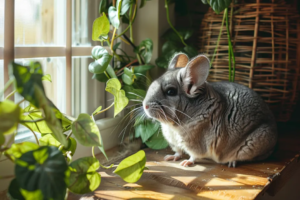
Symptoms of a Hamster Before It Dies of Old Age
Before dying of old age, a hamster typically shows lowered activity, poorer appetite, weight loss, lethargy, rough and messy coat, increased shedding, declining vision, and general weakness. Near death, physical changes include weakness, inability to stand, rapid breathing, fast heartbeat, and dropping body temperature. Most hamsters live only 1–2 years; to slow aging, provide a warm, comfortable home and balanced nutrition, and watch for changes daily.

Is It Normal for a Cat to Have Diarrhea from Hairball Paste?
Hairball paste rarely causes diarrhea; loose stools usually mean too much at once. Stop feeding and the stool should normalize. If it persists with low energy or appetite loss, see a vet, as it may be allergy, parasites, or infection. Use 1 to 2 times weekly.
What should I do if my kitten won’t eat, is lethargic and vomiting?
A kitten that won't eat, is lethargic and vomits usually has a gut problem — bacterial or viral enteritis, or intestinal parasites. Take it to a vet to confirm the cause. First, if unvaccinated, test for feline distemper with a strip; distemper mimics gastroenteritis with vomiting, diarrhea, lethargy, appetite loss, fever and can be fatal in ~10 days without treatment. If no distemper, it's usually gastroenteritis or parasites — treat the symptom and use probiotics.
What Are the Symptoms of Feline Parvovirus?
Feline parvovirus causes fever, vomiting, diarrhea, and lethargy, worsening to bloody stool and dehydration. Infected cats need urgent IV and antiviral care and isolation.