Search Results
1495 results for “Loss of appetite”
How do you know if a Teddy (Poodle) has a cold?
A Teddy's cold symptoms resemble humans': sneezing, coughing, runny nose, lethargy, loss of appetite, watery eyes, and fever. Colds may be from bacterial or viral infection; mild cases can be treated with pet cold and anti-inflammatory medication.
How can you treat a two-month-old puppy diagnosed with coronavirus at home?
Canine coronavirus is contagious and can be fatal in two-month-old puppies, damaging intestinal lining and causing vomiting, diarrhea, and loss of appetite, occasionally bloody stool. Early treatment calls for fasting and veterinary support such as fluid therapy, antivirals, and symptom care, so home treatment is generally not advised.
What happens if cat sinusitis is left untreated?
If left untreated, cat sinusitis causes loss of appetite, breathing difficulty, nasal discharge, sneezing, and lethargy, and in severe cases can lead to fever, nasal ulceration and necrosis, blocked tear ducts, and conjunctivitis. It may be caused by bacteria, fungi, viruses, or allergies, and can even be fatal, so prompt veterinary care is needed.
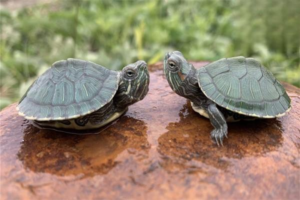
Symptoms and Treatment of Pneumonia in Turtles
Turtle pneumonia appears in stages: early runny nose and lethargy, middle loss of appetite with open-mouth breathing, late blocked nostrils and sideways floating. Treat with warmth (28–30°C / 38–40°C keeping), azithromycin or amoxicillin baths, and tube-fed medication; see a vet if there is no improvement.

Parrot Pneumonia: Symptoms and Treatment
Parrot pneumonia often follows untreated colds or arises from dirty, pathogen-heavy environments. Signs include lethargy, loss of appetite, breathing difficulty, and shivering. Treatment focuses on warmth (22-25 C), clean housing, supportive care, and antibiotics such as gentamicin for serious cases.

Symptoms and Treatment of Crop Stasis in Small Parrots
Small parrots often overeat because they cannot regulate their intake, leading to crop stasis in which food ferments and rots in the crop and can be fatal if ignored. Key signs include a swollen crop, loss of appetite, lethargy, and sour-smelling drool; treatment ranges from withholding food and water and giving probiotics to clearing the crop mechanically or, for foreign-body blockage, surgery.

What Should I Do If My Cat Eats Rat Poison?
After eating rat poison, a cat may develop a fever, lethargy, loss of appetite, and vomiting, or show internal and external bleeding such as nosebleeds, bloody vomit, bloody stool, or black tarry feces. Because the toxin can severely damage the liver and other organs, seek veterinary care immediately—if none is nearby, induce vomiting at home with hydrogen peroxide, then follow up with IV fluids and bloodwork.
What are the symptoms of pneumonia in pythons?
Python pneumonia shows as difficulty breathing, coughing, fever, and loss of appetite. Caused by bacterial or viral infection, it can be fatal; early diagnosis and treatment are essential.
Why is a dog drooling?
Drooling can be normal in hot weather or when tempted by food, but it may also signal a mouth foreign body or oral disease. Lethargy or loss of appetite means a vet visit is needed.
What deworming medicine is used for tortoises?
Common tortoise parasites are nematodes and protozoa; albendazole is the usual drug for nematodes. Nematodes live in the digestive tract and cause loss of appetite, slow movement, and edema. The disease is hard to spot, so prevent infection early.