Search Results
532 results for “Kitten disease”
Symptoms of Coccidiosis in Cats
A cat with coccidiosis typically has watery diarrhea or soft stools with mucus and blood, along with lethargy, poor appetite, vomiting, and indigestion; the coat becomes rough and dull. Without prompt treatment the cat grows emaciated and weak, threatening its life. Coccidiosis is especially common in kittens, so regular deworming and prevention are essential.

Why Cats Spend So Much Time Grooming
Grooming is second nature to cats: an adult cat spends 15% to 50% of its day licking its coat, starting as early as four weeks old. It is far more than staying clean. Grooming clears dirt and spreads natural oils, helps regulate body temperature, hides foreign scents, communicates affection, relieves stress, and even helps wounds — though vets warn against licking injuries. Heavy over-grooming that causes bald spots, or biting at the skin, can signal a skin disease or fleas, so it also works as an early warning system.

What Every Pet Owner Should Know About Vaccinations
Vaccines are a core part of protecting your dog or cat. A vaccine is a weakened virus that trains the immune system to fight real infections, guarding against deadly diseases such as distemper, parvovirus, adenovirus, rabies, feline panleukopenia, calicivirus, and rhinotracheitis. Puppies can be vaccinated from 45 days old and kittens from 63 days, after weaning and a short settling-in period. Even with proper vaccines, immunity can fail due to maternal antibodies, immunosuppression, stress, or infection during the incubation window—so follow your vet's timing.
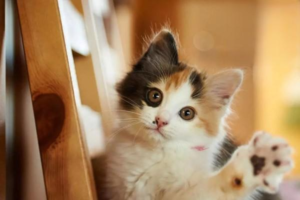
Tips for Choosing the Right Cat Litter
Cat litter is essential from the day a kitten learns to use the box until the end of its life. The market offers bentonite, plant-based (tofu), crystal (silica), and recycled-paper litters, with bentonite, plant, and crystal being the most common. Beyond type, what matters for your cat's health is avoiding chemical binders and artificial fragrances and using the litter correctly — a 5 to 7 cm depth, daily scooping, and a full change every week or two.
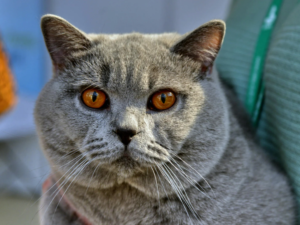
Feline Panleukopenia: How Fast Is It Fatal?
Panleukopenia is a deadly, highly contagious viral disease that attacks the gut and bone marrow. Unvaccinated kittens under a year often die within 2–4 days if untreated; unvaccinated adults usually within 5–7 days, some lasting around 10. Vaccinated cats rarely die. Early care lifts kitten survival above 50% and adults above 80%—and surviving one week usually means recovery. Prevention through vaccination beats treatment every time.

Why Does My Silver Shaded Cat Shed So Much?
The silver shaded is a British Shorthair with a dense double coat, so it simply has far more hair to lose than a single-coated cat—earning its 'walking dandelion' reputation. Shedding doubles in the spring and autumn molts and during the kitten-to-adult and spay/neuter hormone shifts. Daily brushing, infrequent baths, and good nutrition manage it; patchy or symmetric loss with skin changes means a vet visit.
What Happens When a Cat Lacks Vitamin C
Long-term lack of vitamin C gives a cat scurvy: low spirit, poor appetite, anemia, weight loss and easy bleeding or skin inflammation. As it worsens, gums swell and bleed, wounds heal poorly, and in severe cases cheeks and tongue ulcerate or die back, with joint pain and bleeding in the bladder, gut, kidney or nose. Treat with oral or injected vitamin C plus symptomatic care, and prevent it with a balanced, complete diet, since processing destroys much of the vitamin in food.

How Feline Chlamydial Pneumonia Develops
Feline chlamydial pneumonia is a highly contagious but uncommon cat disease, well covered by routine vaccination, so regularly vaccinated cats rarely catch it. It spreads through eye, nose and mouth secretions on shared bowls, cages or hands, and by sneezing. It starts as conjunctivitis and, left untreated, can advance to fever, pneumonia and infections of the airways or reproductive tract. Antibiotic eye ointment and oral antibiotics clear it, but recovered cats still carry and shed the organism, so isolation matters.

What Is Feline Haemobartonellosis?
Feline haemobartonellosis, also called infectious anemia, is a rare but serious disease caused by a blood parasite that attacks red cells and triggers their destruction. It spreads through bites, scratches, fleas and ticks, and from mother to kitten, with outdoor and unneutered males at higher risk. Signs range from fever and lethargy to pale, yellow-tinged gums; diagnosis is by blood smear or PCR. Treatment uses antibiotics such as doxycycline or enrofloxacin plus supportive care, though the cat stays a lifelong carrier.

CoQ10 for Senior Cats with Heart Concerns: A Buying Checklist
The heart is the body's highest-energy organ and holds a large share of a cat's CoQ10, so as production falls with age or hereditary risk, supplementation can support heart-muscle energy and act as an antioxidant. This checklist explains why senior and high-risk cats are the ones most likely to benefit, the five points to verify before buying, and the safety limits every owner should respect.