Search Results
532 results for “Kitten disease”

What Causes a Cat’s ‘Glass Stomach’?
A cat's 'glass stomach' (chronic sensitivity) usually comes from poor diet (frequent food switches, intolerances, low-quality kibble, human food), irregular feeding, stress, or dental issues. Past illness (panleukopenia, parasites, gastritis, pancreatitis, hairballs) can also damage the gut lining. Fix diet, add probiotics, cut stress, and see a vet for ongoing vomiting, diarrhea, or weight loss.

Why Does a Cat Eat Cat Litter?
A cat may eat litter out of curiosity, mistaking it for food, digestive upset, stress, or a nutrient deficiency (pica). Stop it at once, and if it persists, see a vet to rule out disease. Switch to low-dust, unscented litter and keep the cat well fed to cut the risk.

What Are the Signs of Osteochondrodysplasia in Scottish Fold Cats?
Scottish Folds can develop a painful inherited bone disease (osteochondrodysplasia) showing as a stiff or kinked tail, swollen hind legs, awkward posture, and reluctance to move. There is no cure — only pain relief with drugs such as meloxicam and chondroitin — so suspect it early and see a vet.

What Causes Periodontitis in Cats?
Poor oral hygiene and a wet-food diet are the main drivers of feline periodontitis: leftover food turns into plaque and tartar that inflame the gum and deeper tissues. Brush regularly, feed tooth-friendly dry food, and for mild cases try at-home care such as saline rinses and an antibacterial oral spray.

Common Bad Habits in Cats and How to Fix Them
Common cat bad habits include biting, picky eating, and disturbing the owner's sleep. Many of these habits form because of the owner's own behavior — playing with hands or giving snacks without limit. Learning the right way to raise a cat is the best way to prevent them.
Is It Normal for Cats to Sleep With Their Eyes Open?
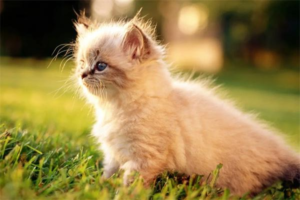
A cat sleeping with eyes open is usually normal and tied to its sleep style. In light sleep, cats stay alert with eyes partly open so they can react and escape danger fast; deep sleep closes the eyes. Some cats simply prefer partially open eyes. But eye disease can also cause it, so check for tears or redness.

Why Do Cats Have Difficult Labor?
Dystocia in cats has many causes: existing health problems or illness during pregnancy, overly large kittens, abnormal positioning, or stress during delivery all raise the risk. Before birth, take steps such as a prenatal check to lower the risk and protect mother and kittens.

Dry or Wet Cat Food: Which Is Better? (Most Owners Pick Wrong)
Neither dry nor wet food is absolutely better; it depends on the cat. A healthy adult can follow a "dry in the morning, wet in the evening" rule, meeting nutrition and water needs while avoiding spoilage. Special cases, senior cats with poor teeth, 2-3 month kittens, and cats with urinary disease, should lean toward wet food. The catch: long-term wet feeding needs extra dental care. Dry food is convenient, cheap, and helps scrape teeth but is only ~5% moisture and calorie-dense, raising dehydration and obesity risk. Wet food is 70-80% moisture, tastier, and nutrient-rich but costs more, spoils fast, and leaves more residue on teeth.
What Colors Can Cat Eyes Be?
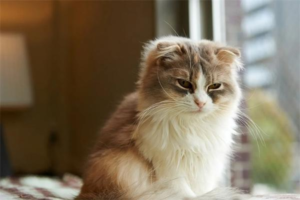
Cat eyes come in yellow, orange, green, gold, gray, and amber, with blue as a rarer shade. Color is set by genes through iris pigmentation and light refraction. The iris has two pigmented layers, the stroma and the epithelium, and the number of melanocytes decides the hue while their activity sets the depth; without melanocytes the eye looks blue. Green and gold are most common, blue is uncommon and often seen as elegant, and a kitten's eyes start blue before settling into their true color. Illness or injury can dull the shine later in life.

Can Cat Flu Leave Lasting Effects After Recovery?
Feline rhinotracheitis (cat flu), caused by feline herpesvirus FHV-1, cannot be cured—the virus hides for life in the trigeminal ganglion and can reactivate whenever the cat is stressed, the season changes, or immunity dips. Most cats recover and live normally, but some are left with mild, manageable effects: a sensitive nose that drips in cold or dusty air, heavier tear staining from narrowed tear ducts, or—in high-risk cases—repeated flare-ups that can progress to chronic bronchitis or pneumonia. Good care (warm stable surroundings, humidity control, stress avoidance, balanced nutrition with lysine and vitamins, and regular vaccines) keeps recurrence rare. This article explains the sequelae, why only some cats get them, and how to minimize repeat episodes.