Search Results
532 results for “Kitten disease”

What Is Canine Campylobacteriosis
Canine campylobacteriosis is caused by Campylobacter, a bacterium commonly associated with diarrhea in dogs, cats, and humans. In recent years, Campylobacter has gone from an obscure veterinary pathogen to a well-known major cause of human enteritis. This article explains what canine campylobacteriosis is.

What Is Feline AIDS and Its Symptoms
A cat with feline AIDS is also nicknamed a 'prodigal cat,' and for good reason. This article explains what feline AIDS is and the symptoms a cat shows if infected.

What Are the Benefits of Neutering a Cat
Mentioning pet neutering sparks much debate; the pro side thinks neutering effectively improves and prevents problems, to protect pets; the con side thinks it shouldn't deprive reproductive rights, calling neutering selfish and lazy.

A Cat’s Nutritional Needs and Feeding Standards
A cat's nutrients are the same six classes as other animals: water, protein, carbohydrate, fat, vitamins, minerals. But cats are obligate carnivores needing high-protein food; low protein kills appetite. Active cats may need more animal fat for energy. Cats also need taurine, vital to vision—deficiency badly hurts night vision.

Feline Immunodeficiency Virus (FIV): Symptoms, Treatment and Prevention
A cat with FIV shows: chronic stomatitis, gingivitis, fever, weight loss, lymph node inflammation, anemia, diarrhea, and neurological signs. The main transmission route is thought to be bite wounds; experiments also confirm the possibility of placental infection, though not yet proven clinically, and a queen may pass it to kittens via saliva or milk.

What Is Feline Distemper and What Are Its Symptoms?
Feline distemper is the name for acute, highly contagious diseases such as feline panleukopenia and feline infectious enteritis. A cat with distemper shows fever, panleukopenia, vomiting, diarrhea, bloody stool, lethargy, and loss of appetite.

Symptoms and Treatment of Feline Distemper
Feline distemper, also called feline panleukopenia or feline infectious enteritis, is an acute, highly contagious disease in cats. A cat with distemper shows: reduced white blood cells, reduced appetite, soft stool, vomiting, fever, dehydration, and other symptoms.

Cat Grass vs. Catnip: What’s the Difference?
Cat grass (usually rye/wheat) is a safe natural hairball aid rich in folic acid; catnip (a mint) relieves stress and excites cats via nepetalactone but is harmless and non-addictive. About a third of cats don't react to catnip.
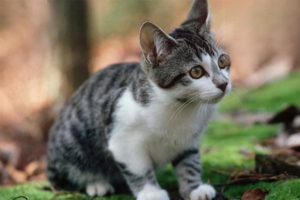
Feline Distemper: Causes, Symptoms, Incubation Period and Treatment
Feline distemper is no joke—it can take a cat's life and spread to more healthy cats, causing more to die from it. So how do cats get it, and how should feline distemper be treated?

Feline Distemper in Cats: Symptoms, Causes, Diagnosis and Treatment
Feline distemper, also known as feline panleukopenia, is one of the most common acute infectious diseases in cats clinically. It is a highly contagious, febrile disease caused by parvovirus infection. Kittens have extremely high infection and mortality rates, and affected cats typically show sudden onset, markedly reduced white blood cells, high fever, anorexia, depression, vomiting, hemorrhagic enteritis, and severe dehydration.