Search Results
532 results for “Kitten disease”
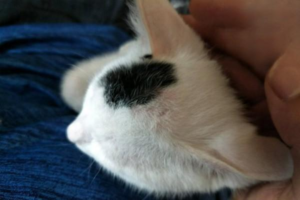
What Those Hard Lumps on a Kitten’s Head Mean
A hard, painless white lump on a kitten's head that neither grows nor fades is often a sign of ringworm. Ringworm comes from contact with fungi like Microsporum canis or Trichophyton, thriving in damp, dirty places. It causes scaly spots and hair loss, is contagious to people, and needs vet care plus topical antifungal ointment and good hygiene.
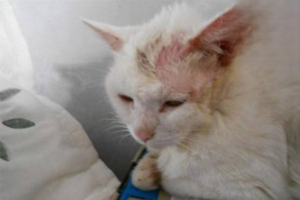
What to Do When a Kitten Has Ringworm
Ringworm is a fungal, contagious skin disease that can pass between cats and people, so isolate and disinfect at once. It shows as circular scaly patches and hair loss on the body, head, legs, and tail, with relentless itching. Treatment is shaving, topical medication, an Elizabethan collar, and a clean, well-ventilated environment plus good nutrition.

What to Do When a Kitten Has Heavy Eye Discharge and Can’t Open Its Eyes
Heavy eye discharge and eyes that won't open in a kitten usually point to neonatal conjunctivitis or feline rhinotracheitis (cat flu), though rich, greasy food can also be the cause. Each needs a different approach: gentle cleaning and antibiotic drops for infection, and prompt vet care plus antiviral support for cat flu. Act early to avoid worse disease.

Kitten With Pus in the Eyes, Can’t Open Them, and Sneezing
A kitten with pus-filled eyes, stuck-shut lids, and sneezing is often fighting feline herpesvirus (rhinotracheitis), not just a cold — and it can be fatal if ignored. Isolate and disinfect the space, give lysine and vet-prescribed antibiotics, and use eye drops for the conjunctivitis. Act quickly, since kittens have little immunity.

What to Use for a Kitten’s Skin Problem
Kittens get skin disease often; first identify whether it's fungal or parasitic, then treat it specifically. Fungus shows as circular bald red rings, parasites as scabs and red dots. Clip, disinfect and apply an antifungal spray and ointment, then deworm once healed.

Parasites on a Kitten: What to Do
Parasites are common in kittens—both internal worms (roundworm, tapeworm, hookworm) and external ones (fleas, mites). Beyond regular deworming, the living environment must be disinfected, since where the kitten has parasites, the home does too. Follow weight- and age-based dosing carefully.
My kitten’s eyes are discharging pus and it can’t keep them open. What eye drop should I use? (First time dealing with this; the kitten has no other symptoms.)
Eye discharge with pus in a kitten is usually a bacterial eye infection or bacterial conjunctivitis, caused by contagion, overlong eyelashes, injury, or bacteria. Clean the eyes with a gentle saline solution, then apply a vet-recommended pet eye drop several times a day.

Common Causes of Feline Obesity
Feline obesity is driven by age, genetics, neutering, and too little exercise, and it raises the risk of heat intolerance, heart disease, diabetes, and a shorter life. Prevention comes down to scheduled feeding, a lean high-protein diet, and daily play.

Cat Cold vs. Feline Herpesvirus: What’s the Real Difference?
A cat cold is a mild chill-driven illness; feline herpesvirus (cat flu) is a serious, contagious respiratory disease, mostly FHV-1, often mixed with other pathogens. The herpes form attacks the eyes and mouth in ways a cold doesn't—and only the FVRCP vaccine and good hygiene keep it at bay.

A Guide to Vaccinating Your Cat
Vaccines shield cats from deadly contagious disease, even indoor ones, since owners carry viruses home on shoes and hands. Follow the core schedule, two or three FVRCP shots plus rabies, and use antibody tests to avoid wasteful or failed dosing.