Search Results
94 results for “Joint swelling”
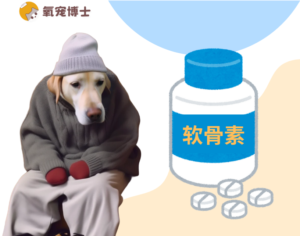
What Is Chondroitin for Dogs, and Who Needs It?
Chondroitin, or chondroitin sulfate, is a natural compound in cartilage that feeds joint cells, locks in joint fluid, and calms inflammation. Healthy young dogs get enough from food, but seniors, large breeds, dogs with joint-prone genetics, the obese, and hard-working dogs benefit from supplements—ideally paired with glucosamine and omega-3. It supports, not replaces, veterinary care for real joint pain.

What Happens When a Cat Lacks Vitamin C
Long-term lack of vitamin C gives a cat scurvy: low spirit, poor appetite, anemia, weight loss and easy bleeding or skin inflammation. As it worsens, gums swell and bleed, wounds heal poorly, and in severe cases cheeks and tongue ulcerate or die back, with joint pain and bleeding in the bladder, gut, kidney or nose. Treat with oral or injected vitamin C plus symptomatic care, and prevent it with a balanced, complete diet, since processing destroys much of the vitamin in food.

Hypertrophic Osteopathy in Dogs and Cats: Symptoms, Treatment, and Prevention
Hypertrophic osteopathy (hypertrophic pulmonary osteopathy) is a secondary bone and joint disorder driven by underlying lung disease, marked by symmetric hard swelling of the distal limbs from periosteal proliferation and lameness. It is seen mainly in older dogs and improves only when the primary chest disease is treated.

Warfarin (Anticoagulant Rodenticide) Poisoning in Dogs and Cats
Warfarin is an anticoagulant rodenticide that blocks vitamin K, so poisoned pets bleed internally and may die suddenly or bruise easily. Vitamin K1 and, in severe cases, transfusion are the core treatments.

Vitamin C (Ascorbic Acid) Deficiency in Dogs and Cats
Vitamin C deficiency in dogs and cats weakens connective tissue and capillary walls, causing easy bleeding, gum disease, slow wound healing, and in growing animals painful swollen limb ends and lameness (scurvy). It is corrected by adding vitamin C-rich foods and treating any underlying illness.

Vitamin A Toxicity (Hypervitaminosis A) in Dogs and Cats
Vitamin A toxicity in dogs and cats follows prolonged over-supplementation with vitamin A or liver-heavy diets, suppressing bone-forming cells and causing periosteal bone spurs, pain, and lameness. It is reversed by stopping excess vitamin A and providing supportive joint care.

Canine Leishmaniasis (Kala-azar): Symptoms, Treatment, and Prevention
Canine leishmaniasis is a zoonotic protozoal disease caused by Leishmania donovani and transmitted by sandflies; dogs are an important reservoir host. It causes skin lesions, wasting, and systemic illness, and is treated with antiprotozoal drugs.

Coccidioidomycosis in Dogs and Cats: Symptoms, Treatment, and Prevention
Coccidioidomycosis, also called coccidioidal granuloma, is caused by Coccidioides immitis. It usually presents as an acute, benign, asymptomatic, or self-limiting primary respiratory infection, occasionally disseminating to form focal lesions in skin, subcutaneous tissue, lymph nodes, bone, liver, kidney, meninges, brain, or other tissues.

Lyme Disease (Borreliosis) in Dogs and Cats: Symptoms, Treatment, and Prevention
Lyme disease is a tick-borne spirochetal infection caused by Borrelia burgdorferi. It is a natural-focal zoonotic disease that in dogs most often produces intermittent, non-erosive arthritis with lameness that shifts from leg to leg.

What to Do When Your Dog Suddenly Starts Limping
A sudden limp often starts with a paw injury from thorns or glass, a muscle strain, or a fracture. Long-term lameness with deformities may point to rickets or calcium deficiency. Persistent or severe cases need an X-ray.