Search Results
704 results for “Internal parasites”

What to Do for Red, Swollen, Itchy Dog Skin (and Which Medicines)
Red, swollen, itchy dog skin usually comes from dermatitis, ringworm, or parasite infections. This guide explains the common causes and which medicines - antibacterial spray, zinc oxide ointment, antihistamines, or parasite control - help relieve the symptoms.

How Is Dog Anemia Treated? Can a Blood Transfusion Cure It?
Mild to moderate dog anemia is managed with iron- and protein-rich nutrition; drug- or toxin-caused types need stopping the drug or induced vomiting, and severe cases may need a transfusion or methylene blue for methemoglobinemia. Prevent it with safety on walks, no human food, and regular deworming.

How Long Can a Dog with Severe Anemia Survive?
How long a severely anemic dog survives depends on the cause and severity: nutritional, toxic, or blood-loss anemia often does not shorten life with timely care, while hemolytic anemia is urgent and aplastic anemia from leukemia or kidney disease may be short. Treating the underlying cause is what determines the outcome.
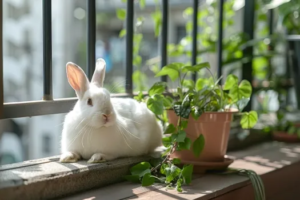
What to Do When a Doe Rabbit Won’t Cycle?
A doe that will not cycle has a cause: unbalanced nutrition (too fat or thin), bad temperature or humidity, disease or parasites, old age over 3, congenital defects, wrong light (need 14–16 h/day), or toxic feed like aflatoxin. Fix the root — adjust diet, steady the environment, treat illness, cull old or defective does, add light, and avoid moldy feed.
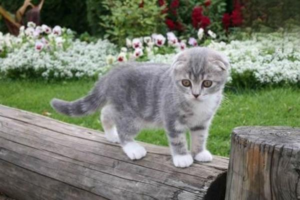
Can Cats Drink Raw (Untreated) Water? The Risks and Consequences
Cats should never be given raw, untreated water such as tap, well, river, or stream water. Untreated water carries bacteria, fungi, excess minerals, chlorine, and debris that can cause gastroenteritis, kidney strain, urinary stones, and parasite infection — boiling the water first removes most of these risks.

What Are the Causes of Chronic Colitis in Dogs?
There are many causes of chronic colitis in dogs, which may be caused by bacteria, fungi, or intestinal parasites, or may be triggered by eosinophils. Chronic colitis in dogs causes long-term diarrhea symptoms and needs timely treatment to avoid dehydration. To learn more, read on with us about the causes, symptoms, and treatment of chronic colitis in dogs!

Why Is a Dog’s Stool Green?
A dog's normal stool should be yellow-brown, dry, and formed, so a dog's green stool is likely related to food, but it may also have colitis or a problem with the gallbladder. How to distinguish which reason causes the dog's green stool? We will tell you!

What Causes a Dog to Have Frequent Diarrhea
A dog's frequent diarrhea may be caused by the owner feeding the dog food that is too greasy, or the dog being infected with intestinal parasites, suffering from chronic gastroenteritis, etc. It is recommended to self-check the cause according to the dog's specific situation, treat symptomatically, and then regulate through diet. Today we first introduce several common causes and solutions for dog diarrhea.

Cat Colitis: Symptoms & How to Treat
Cat colitis starts with normal appetite but frequent soft, bloody, foul stools and can progress to watery sprayed diarrhea. Home care uses amoxicillin and bismuth; prescription care may add atropine, gentamicin, or fluids.

Dog and Cat Vaccines: Types, Schedule & Precautions
Vaccination is the most effective defense against infectious disease in pets. This guide covers dog and cat vaccine types (distemper/parvo, FVRCP, rabies, kennel cough), schedules, and key before/after precautions including deworming and timing.