Search Results
1231 results for “Indigestion”
How should I feed a one-month-old Schnauzer?
A one-month-old Schnauzer can eat puppy kibble or milk cake softened with goat milk, 4-5 times a day in small amounts to avoid indigestion. Near 3 months, shorten soaking and transition to dry puppy food. Keep it warm - at one month immunity is weak and it easily catches colds, especially in season changes or cold winters.
How should a 4-month-old Husky be fed?
At 4 months feed puppy kibble until 1 year; adult food is less nutritious and harder to digest. Deworm monthly inside and out from 2 months; as adult, internal deworm every 2-3 months.
How should a 40-plus-day Golden Retriever be fed?
At over 40 days weaning can begin; feed goat-milk-softened puppy kibble 4-5 times daily, keep warm, and at 2 months deworm inside and out then vaccinate.
What should a 10-year-old Husky’s appetite be like?
A 10-year-old Husky is a senior; slower digestion and loose teeth lower appetite slightly. Feed senior dog food 3 times daily, exercise lightly, and avoid hard-to-digest food.
What happens if a puppy’s food is changed suddenly?
A sudden change irritates the stomach, causing diarrhea, vomiting and poor appetite. Some tolerant dogs adapt fine. Transition gradually and add probiotics.
What happens if a dog eats watermelon rind?
A small amount is usually harmless, but a sensitive stomach may cause indigestion, diarrhea or abdominal pain. Feed probiotics and warm water; chilled rind may cause enteritis.

What to Do When Your Hamster Has Yellow Watery Stool
Yellow watery stool in a hamster can come from too much moisture in food, digestive upset, or chilling. First watch the hamster's energy and appetite; if both are normal, observe a while longer. Avoid high-moisture foods like fruits and vegetables, and keep the surroundings warm. Pet probiotics can help balance the gut flora.
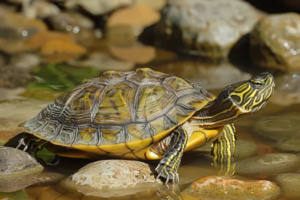
Why Is My Turtle Not Moving?
A turtle that stays still is often just resting or sleeping, which is normal. But stillness can also signal a health problem - indigestion, injured limbs, or fright. Indigestion can weaken the limbs and cut activity; an injured limb causes pain and immobility; and in winter, low temperatures may mean hibernation. Judge the cause by the turtle's condition and respond appropriately.

Can Dogs Eat Almonds?
Almonds aren't strictly toxic, and one or two won't hurt, but they're best avoided—some varieties carry trace cyanide that dogs metabolize poorly, and large amounts can cause vomiting, diarrhea, bloody stool, or seizures. High fat also drives obesity and liver issues. Skip almonds and other nuts; if a dog reacts badly, see a vet.
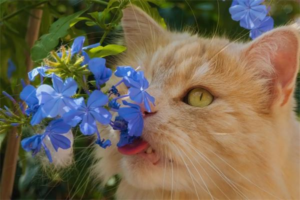
Why Are Cats Prone to Gastritis?
Gastritis in cats can be triggered by spoiled or hard-to-digest food, overeating, drug errors, bacterial infection, foreign bodies, or stress. Feed high-quality, balanced food in sensible amounts and keep the environment and bowls clean to prevent it.