Search Results
1231 results for “Indigestion”

What to Do About Your Dog’s Bad Breath?
Dog bad breath often comes from poor oral hygiene, periodontal disease, diet, or internal illness. Brush several times a week (daily for wet-food dogs) with pet toothpaste, feed dry kibble, keep regular meal times, and see a vet if it persists to rule out gut or kidney disease.

Why Can’t Dogs Eat Seafood?
Dogs are not absolutely forbidden from eating seafood, and a small controlled amount is fine if your dog is not allergic. However, too much seafood can cause digestive upset, poisoning, parasite or bacterial infection, and extra strain on the kidneys, so portion control matters.

What to Do When Your Cat Vomits at Night
If your cat vomits at night, stay calm and watch its mood, stool, fever, and blood. Mild cases may pass; persistent or worsening signs (poisoning, acute gastroenteritis, kidney disease) need a vet. Withhold food during frequent vomiting, offer clean water, then reintroduce bland food.

Can Dogs Eat Bayberries (Waxberries)?
Dogs can eat bayberries in moderation. Bayberries are rich in vitamin C, minerals, and dietary fiber, which can support a dog's immunity. However, dogs digest fruit poorly, and too many can cause indigestion, soft stools, or diarrhea, so control the amount. The pits are large and may cause constipation or even intestinal blockage, so always pit them or serve as diluted juice.
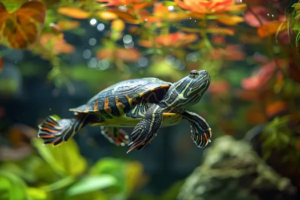
Common Reasons a Turtle Won’t Eat and How to Respond
Unpalatable food, unfamiliar surroundings, low water temperature, and gastroenteritis can all make a turtle stop eating. Turtles hibernate: appetite peaks at 24–28°C and drops as temperature falls; below 15°C they enter hibernation and stop eating. For aquatic and semi-aquatic turtles, water depth also matters—too shallow and they may refuse food; keep water at least covering the shell.
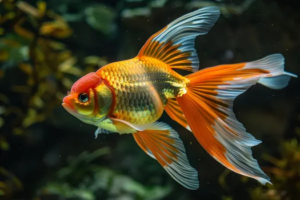
How to Improve the Survival Rate of Ornamental Fish
To raise survival, fishkeepers should feed reasonably, change water regularly, clean filter media, keep temperature suitable, and control stocking density. Match diet to the species, control amount and frequency; regular water changes and filter cleaning keep water quality. Keep temperature right and density appropriate for tank size. Before mixing species, learn which coexist to avoid losses.
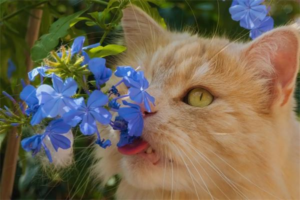
Does My Cat Need Hairball Paste?
Whether a cat needs hairball paste depends on coat type and hairball risk. Long-haired cats and those prone to hairballs usually benefit; in moderation it helps prevent hairballs and aids digestion. But overfeeding can cause diarrhea, and some pastes have many additives that lead to picky eating and metabolic burden. Feed in moderation; also brush often, offer cat grass, and encourage water.

What Can a Teddy Bear Dog Eat to Gain Weight?
Healthy weight gain comes from nutritious, balanced food—add lean meat, beef, eggs, and fish for protein and muscle; olive, fish, or coconut oil for fatty acids and energy and coat quality; split meals into 4–5 daily to raise intake. Encourage moderate exercise for appetite and digestion, and deworm and check regularly to rule out parasites or gut disease.

Can a Puppy’s Diarrhea from a Food Change Heal on Its Own?
Puppy diarrhea from switching food can partly resolve on its own, but don't ignore it. Transition gradually by mixing old and new food, increasing the new ratio so the gut adapts. Watch the puppy's energy, appetite, and stools. Severe diarrhea may need pausing the switch and a vet's advice. Diarrhea can dehydrate, so ensure water and consider probiotics.

Why Is a Young Kitten Cold and Weak?
A cold, weak kitten may be from low temperature, poor nutrition, lack of security, or illness. Newborns can't regulate temperature, so cold environments drop their body heat. High nutritional need means shortage causes weakness and low temperature. Early separation from the mother or threats causes stress. Illnesses like respiratory infection or indigestion also cause it. Respond with warmth, nutrition, treatment, and a safe environment.