Search Results
1231 results for “Indigestion”

What to Do When a Picky Eater Develops Gut Trouble
A cat's gut is delicate, and poor feeding easily tips it into vomiting, diarrhea, constipation, or gastritis. Keep the cat warm, play after meals to aid digestion, choose a gut-friendly food, and use small frequent meals to break a picky habit. None of this replaces a vet when symptoms are severe.

Cat Suddenly Stopped Eating and Looks Lethargic
When a cat refuses food, loses energy, and wastes away for three to five days, the gut is usually involved. Hairballs, overeating, parasites, or gastritis are common culprits. A bland, scheduled diet and the right supplement often bring the appetite back.
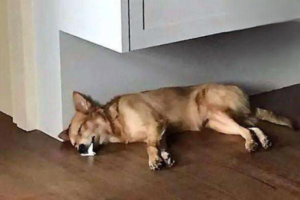
Dog Won’t Eat and Vomits White Foam or Mucus
When a dog refuses food and brings up white foam or clear mucus, the cause can range from simple overeating to a more serious problem. The dog's energy level is the quickest clue: a bright, active dog can be watched at home, while a dull or worsening one needs a vet.

What to Do When Your Dog Has Recurring Tummy Troubles
Many dogs have sensitive stomachs that react to food that is too hot or too cold, or meals that are too large or too small, leading to diarrhea, vomiting, or constipation. A daily probiotic can help rebalance gut bacteria and support digestion, but it works best alongside sensible feeding habits.
What to Do If Your Cat Vomits After a Deworming Tablet
Vomiting after a dewormer often means the cat ate too soon before the dose or had food in the stomach. Give the tablet on an empty stomach with water, and re-dose only if the tablet itself came back up. Go easy on fatty food afterward, since most dewormers are fat-soluble.

Dog Vomiting Yellow Foam and Not Eating
Yellow, foamy vomit with no appetite can come from a chill or gastroenteritis, and unchecked vomiting risks dehydration. Stop the vomiting, offer small sips of water during a 12-hour fast, and see a vet for gastroenteritis — treat a cold at home with rest and warmth.

What to Do When Your Dog Has Ongoing Diarrhea and Won’t Eat
Persistent diarrhea in dogs usually traces back to cold exposure, parasites, a sudden food change, or illness such as enteritis, parvovirus, or distemper. Treat the cause, keep your dog hydrated, and get veterinary help if symptoms are severe.

How to Treat a Kitten That Gasps Like It’s Having an Asthma Attack
A kitten that gasps like it's wheezing usually has feline asthma — chronic bronchitis or bronchial asthma, mostly allergic. Triggers include dust, pollen, and irritating food or gut blockage. Mild cases need calm, slow water, and probiotics; allergic attacks need vet-prescribed cough and phlegm relief, plus reduced dust and a healthy weight.

Treating Dog Diarrhea: Causes and Care
A dog's gut is extremely delicate, so diarrhea is very common — and the right treatment starts with the right cause. Parasites, poor feeding, frequent food switches, chills, or infectious disease each need a different response. Match the care to the trigger, and see a vet for nonstop or bloody diarrhea, since parvovirus may be involved.
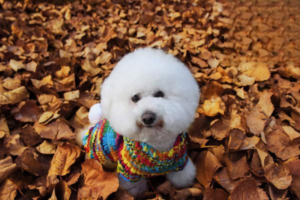
Why Your Dog Makes a Coughing Sound Then Dry-Heaves
A dog that makes a 'ka-ka' sound and dry-heaves is often just over-excited, eating too fast, or exercising hard — but it can also mean poor feeding, a throat obstruction, or pharyngeal irritation. Most cases are minor and preventable with calm feeding, slow-eating training, and a balanced diet.