Search Results
1231 results for “Indigestion”

What Causes a Dog to Have Frequent Diarrhea
A dog's frequent diarrhea may be caused by the owner feeding the dog food that is too greasy, or the dog being infected with intestinal parasites, suffering from chronic gastroenteritis, etc. It is recommended to self-check the cause according to the dog's specific situation, treat symptomatically, and then regulate through diet. Today we first introduce several common causes and solutions for dog diarrhea.

The Necessity of Feeding Hay to Rabbits
Eating hay is necessary for rabbits. Even if the rabbit food the owner usually feeds is good, hay must still be provided. Many people wonder why hay is so important to rabbits. Below we tell you about the necessity of rabbits eating hay. Why must pet rabbits eat hay?

Warning: These Foods Are Toxic to Rabbits!
Frozen, fried, and cooked foods cannot be given to rabbits. A rabbit's diet should be mainly hay and rabbit pellets, supplemented with some fruits and vegetables. There are many foods that rabbits cannot eat, and eating them may cause a series of diseases. Today we tell you about the foods that cannot be fed to rabbits, hoping to help you ensure your rabbit's dietary safety.

What to Do When Dogs and Cats Have Diarrhea? Keep These Fast Antidiarrheals on Hand
The medical term for diarrhea is diarrhea, which usually refers to changes in bowel habits and stool characteristics, generally manifested as frequent defecation, increased stool volume, loose stools, and bloody stool. Most diarrhea in dogs and cats is caused by gastrointestinal discomfort, but it may also be a concurrent symptom of other diseases. Today we discuss knowledge about diarrhea in dogs and cats.
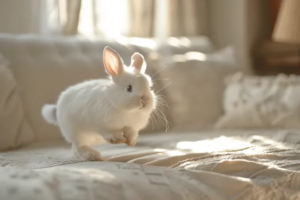
How to Prevent and Treat Rabbit ‘Big Belly’ Disease
Rabbit big-belly disease strikes weanling kits and can kill in 2–3 days, driven by moldy feed or poor nutrition. Prevention is clean feed and a correct formula; treatment ranges from grass-and-exercise to metoclopramide and antibiotics.
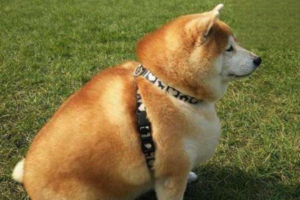
Should You Put Your Pet on a Diet? The Five Harms of Obesity
Obesity in dogs and cats raises risks of heart disease, diabetes, joint damage, anesthesia complications, and urinary stones. Safe weight loss means controlled diet and moderate exercise—never fasting or 'quick fix' methods.

Gastroenteritis in Dogs and Cats: Types, Symptoms & Medication
Gastroenteritis in dogs and cats spans gastritis (acute/chronic) and enteritis (viral, bacterial, parasitic). This guide covers causes, symptoms, and the medication approach—anti-inflammatories, anti-vomiting, anti-diarrhea, dewormers, probiotics—plus prevention.

What to Do When Your Rabbit Loses Its Appetite
A rabbit that stops eating is a warning sign. This article explains common causes of poor rabbit appetite—spoiled food, gut issues, nutritional gaps—and how probiotics, diet changes, and vet checks can restore it.

Is Formless Cat Stool Normal? How to Handle Soft Stool
Formless or soft cat stool is abnormal — healthy stool is formed and regular. If frequency rises or form drops, the gut is likely troubled. Here are five common causes.
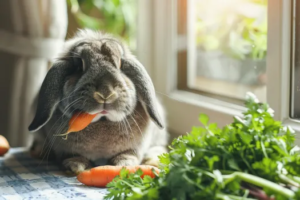
How to Improve Survival Rate of Weaning Kits
Kit survival is low and poor care easily kills them. Here are methods to raise the survival rate of weaning kits.