Search Results
79 results for “Idiopathic”
How to tell if a cat has a urinary tract infection?
UTI signs include frequent urination, blood in urine, inappropriate urination, and straining, but other diseases share these symptoms. Diagnosis needs urinalysis, ultrasound, X-rays, and cultures. Risk rises after age 8.
How to Treat a Cat That Suddenly Urinates Frequently but Only a Little Each Time?
Frequent small urinations suggest urinary disease—commonly FIC, urethritis, bladder/urethral stones, prostatitis, or kidney disease. Before full blockage, get urinalysis and X-ray to check for stones; severe stones need surgery plus stone-dissolving, diuretic, and anti-inflammatory drugs. Pure lower-UT inflammation needs only diuretics and anti-inflammatories; encourage water intake.
Why does my cat have scabs on its nose?
Nose scabs are dried discharge, often from skin conditions like seborrheic dermatitis or ringworm. Have a vet diagnose the cause and never pick at the scab — let it fall off naturally.

How to Quickly Treat a Cat With Urinary Blockage
Feline urinary blockage is an emergency—caused by urethral stones, urethritis, enlarged prostate, tumors, or stress-induced cystitis—where urine can't pass and the bladder over-distends. Get to a vet fast for IV fluids, catheterization (or bladder tapping), urine tests, and possibly surgery or meds; prevent it with plenty of water, a calm home, and neutering males.

How to Relieve Stress in Cats
Too much stress harms a cat's body and mind and can even trigger illnesses like feline idiopathic cystitis. Give your cat a safe, stable, quiet home, play with it daily, offer toys, and keep its diet balanced to lower stress.
Helping a Cat Through Moving Stress
After a move a cat may hide, pant, stop eating, or even develop feline idiopathic cystitis from stress. Set up a quiet 'safe base' with its familiar bed, toys, and scent, run a synthetic pheromone diffuser, and speak and pet gently without forcing it out. If it refuses food and water over 24 hours, vomits, strains to urinate, or breathes fast with pale gums, see a vet — adapting can take 1–2 weeks.
Why does my cat urinate frequently but only pass a little each time?
Frequent, scanty urination suggests cystitis, urinary stones, urethral spasm or blockage, especially in males. Stress or low water intake also contributes. See a vet promptly.
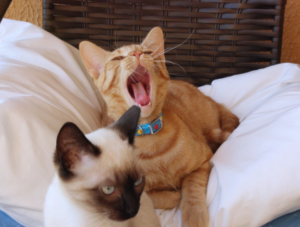
Yes, Cats Get Jealous: 5 Signs to Watch For
Cats may look aloof, but they do feel jealousy, rooted in a strong sense of ownership. When a new pet arrives or you focus on another animal, a cat may fixate on the "rival" while emitting a low growl. Some cats act out by spraying, destroying things, or fighting; others go quiet, hide, and refuse food. That withdrawal reflects sadness and anxiety, and if ignored it can harm health, lowering immunity, causing weight loss, or triggering feline idiopathic cystitis. The good news is that jealousy means your cat cares; more one-on-one time and a slow introduction of newcomers resolve most cases.
Why does my cat urinate frequently but only a little each time?
This often signals urinary disease - idiopathic cystitis, urethral spasm, stones or obstruction - or stress and low water intake. See a vet to find the cause.

When Cat Peeing Around the House Means a Blockage
A cat suddenly urinating in odd places can signal a dangerous urinary blockage. Warning signs: pink or clear urine, frequent attempts, straining, blood, low meowing in the box, over-grooming the genitals, a sensitive belly, and only drops when the bladder is pressed. Blockage means urine output stops - under 1 mg/kg/hr is oliguria, none is a blockage. Causes: urethral or bladder stones (acid urine favors calcium oxalate, alkaline favors struvite), lower urinary tract syndrome (bacterial cystitis, urethral plugs that can kill in 1-2 days, or idiopathic cystitis that self-heals in 7-14 days if not blocked). A full blockage needs immediate vet catheterization - over 24 hours causes acute kidney failure. Prevent with more water, fewer mineral treats like dried fish, clean litter, and less stress.