Search Results
644 results for “IV fluids”
My 2-month-old kitten has a cold, won’t eat, and is sneezing
Likely herpes or calicivirus. Get the kitten to a vet for fluids to avoid dehydration and low blood sugar, then test (CBC, PCR) before medicating. If a vet isn't immediately possible and there's no fever/eye discharge/mouth ulcers, a pet antibiotic (amoxi-clav, doxycycline) plus lysine, vitamin C, and protein may help.

What to Do About Coccidia Infection in Dogs
Pet coccidia is a terrible parasite; worse is an owner who does not even know coccidia - is that you?

Chronic Kidney Disease in Cats: Symptoms and Treatment
Chronic kidney disease is common in cats and a leading cause of death, mainly because cats drink little, staying dehydrated and stressing the kidneys until function is slowly lost.

Cat Trauma: Diagnosis and Treatment
A car accident or trauma refers to injuries a cat suffers when struck by a moving vehicle such as a car, truck, train, or motorcycle. In addition, when a cat suffers human abuse, falls from a height, or is attacked by another animal, it can also lead to external trauma in the cat. The effects of trauma range from mild to life-threatening, and any body system can be affected.

Symptoms and Treatment of Dehydration in Dogs
Dehydration occurs when the body's water falls below normal levels, usually involving loss of water and electrolytes such as sodium, chlorine, and potassium. This article describes the signs of dehydration in dogs, how it is diagnosed, and how it is treated.

Causes and Diagnosis of Dehydration in Dogs
Dehydration can be caused by many diseases or abnormalities, which fall into two broad categories: reduced fluid intake and increased fluid loss. This article explains the common causes and how veterinarians grade dehydration severity by skin elasticity and lab tests.

Treatment of Chronic Kidney Failure in Dogs
Treatment of chronic renal failure (CRF) in dogs must be based on the severity, cause, secondary diseases, and other factors your veterinarian analyzes beforehand. The ultimate goal is supportive care while treating and eliminating infection, dehydration, and malnutrition. This article outlines the treatment options and home care.

What to Do When Your Dog Has Difficulty Defecating
Straining to poop — painful, prolonged, or incomplete defecation — can be temporary or a sign of something serious. Causes range from simple constipation to masses, hernias, or prostate disease. Here is what the vet checks.

Early Signs of Parvovirus in Puppies
Parvovirus hits unvaccinated puppies hardest, especially those 2 to 3 months old. Early signs are lethargy and poor appetite; within days come vomiting, bloody diarrhea, and dehydration. Vaccination is the only real protection.
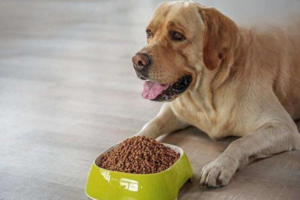
Canine Salmonellosis: A Detailed Overview
Salmonellosis is a bacterial disease in dogs that often strikes puppies and pregnant females, with signs from lethargy to diarrhea and fever. Infected dogs are contagious and must be isolated; diagnosis relies on fecal culture and treatment is supportive with vet-guided antibiotics.