Search Results
644 results for “IV fluids”
How can you tell a Teddy is having diarrhea?
A Teddy has diarrhea when its stools are soft, loose, watery, strongly smelly, and more frequent than normal. For diarrhea, feed easily digestible food like boiled chicken breast and millet porridge or softened kibble. Replenish fluids and add electrolytes to help recovery, and use probiotics if needed.
How to treat a sick Starling?
First, find the cause and disease type to choose treatment; if unsure, see a vet. Second, provide a dry, warm, clean environment with enough food and water. Also, give appropriate medication like antibiotics or anti-inflammatories per condition. Finally, supportive care like fluids, disinfection, and local care relieves the illness.
What happens if a dog overdoses on praziquantel?
Praziquantel is a common antiparasitic for fleas and ticks. Overdose can harm the nervous system (dizziness, coma, seizures, spasms), respiratory system (breathing difficulty, throat swelling) and digestion (abdominal pain, vomiting, diarrhea). Go to a vet immediately for gastric lavage, oxygen and fluids.
My dog will not eat or drink, lies all day, vomits blood, and has green, smelly, glue-like stool; what is wrong?
If unvaccinated, this strongly suggests canine parvovirus, a severe contagious disease with vomiting and bloody, foul stool. Go to a hospital for PCR; treatment needs antivirals, fasting, fluids, and 7 to 10 days.
My cat vomited a lot of clear, sticky, foamy fluid and has low appetite lately
Cat vomiting has many causes — cold, hairballs, parasites, gastroenteritis, pancreatitis, panleukopenia. If it vomits once but is otherwise fine, fast and observe, then feed fluids and probiotics. Frequent vomiting with other signs needs a vet.
Cat is vomiting white foam, lethargic and can’t defecate — what’s wrong?
Lethargy, vomiting and dry stools suggest constipation from hairballs or liver/gallbladder disease. Give cat grass or hairball paste plus probiotics. If unresolved, see a vet for bloodwork and imaging and treat the liver.
Mother cat won’t eat or drink for days, slight yellowing of ears and gums — what’s wrong?
Slight yellowing of the mucous membranes with several days of not eating or drinking suggests jaundice, likely from liver disease such as fatty liver, cholangitis or FIP. Confirm with bilirubin tests and ultrasound, then treat supportively with liver protectants and fluids.
Kitten has diarrhea, weak breathing, arched back, trembling and seems unconscious — what is wrong?
Based on your description — lethargy, diarrhea, weak breathing, opisthotonos, tremors and coma — this suddenly appearing suggests the myocardial form of feline panleukopenia. This type often causes sudden death. Seek emergency veterinary care, oxygen and fluids.
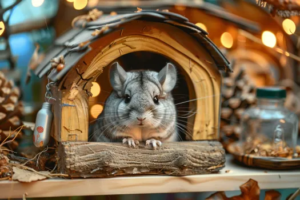
Chinchilla Heatstroke: First Aid and Prevention
Chinchillas are very heat-sensitive and can die quickly from severe heatstroke. Move a stricken pet to a cool, airy place, wipe it down, and give cooling fluids; prevent trouble by placing the cage out of the sun and using AC, a cooling fan, or ice to keep the room between 8 and 22°C.

Why Does a Kitten Have So Much Eye Discharge?
Excessive eye discharge in kittens usually points to a dusty environment, a diet that is too salty or low in water, a bacterial or viral infection, dacryocystitis, or feline herpesvirus (cat flu). Clear, watery discharge from irritation can simply be wiped away, but yellow-green, sticky, or painful eyes need a vet's diagnosis and targeted treatment. If discharge comes with lethargy or loss of appetite, see a veterinarian promptly to avoid complications.