Search Results
644 results for “IV fluids”
Cat has no appetite, now twitching and vomiting water, body getting cold
These signs match feline distemper: diarrhea, vomiting, appetite loss, lethargy, fever, bloody stool. The cat is weak and needs fluids urgently. Get to a vet fast; distemper can be cured if treated promptly.
The eye was a bit inflamed before; eye drops didn’t help, and it would occasionally turn out a little, but this time it turned out completely
From the photo, the cat may have conjunctival edema or hyperplasia needing vet care, likely with fluids and anti-inflammation. Causes include irritants, trauma, conjunctivitis, or cat flu; treat the root cause or risk corneal ulcer or blindness.
Cat sometimes twitches when sleeping, with some abdominal breathing, not constant. Belly a bit big; sometimes rapid breathing when asleep.
FIP signs include lethargy, weight loss, fever, big abdomen, breathing difficulty. Your description doesn't rule out FIP; confirm with blood test, RT-PCR, biochemistry, ultrasound/X-ray. FIP needs hospital care: fluids, antibiotics, antivirals, immune support, ascites relief.
What are the symptoms of dog uremia?
Uremia has complex symptoms: lethargy, confusion, drowsiness, poor appetite, increased urine, vomiting, diarrhea, high blood pressure, heart issues, plus dehydration and weight loss from metabolic failure. It's late kidney failure—needs fluid therapy, electrolyte/acidosis correction, and toxin removal to prevent shock/dehydration.
My dog has distemper, won’t eat, and vomits; what do I do?
Distemper is a highly fatal contagious disease; take the dog to a vet quickly to save its life. Treatment uses symptomatic, antiviral, and nutritional support therapy. Early on, inject distemper monoclonal antibody or hyperimmune serum for 3 to 7 days, with antibiotics, fluids, and symptomatic care.

What to Do When a Cockatiel Has Severe Diarrhea
Severe diarrhea in a cockatiel usually means enteritis and needs prompt medication; if the bird is already lethargic and refusing food and water, it is serious and hard to treat. Treatment targets bacteria and secondary infection, with supportive fluids and antibiotics.

English Setter
The English Setter is a graceful, gentle bird dog from Britain, prized for its beauty and calm, affectionate nature. Quiet, loyal and easy to train, it makes a devoted family companion that loves exercise and gets along well with children.
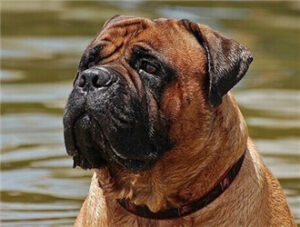
Bullmastiff
The Bullmastiff is a powerful guard dog developed in 19th-century Britain from 60% Mastiff and 40% Bulldog, bred to track and hold poachers without biting. Strong, brave and devoted, it makes a loyal companion but needs firm training from puppyhood due to its stubborn, protective nature.

ack Russell Terrier
The Jack Russell Terrier is a small, sturdy, agile working terrier from Britain, bred to fox hunt. Lively, enthusiastic, intelligent, and brave, it is a cheerful companion needing plenty of exercise.

Treatment Principles for Pet Tortoise Pneumonia
Tortoise pneumonia can be bacterial, fungal, viral, mycoplasma, or chlamydia — identify the cause first. Mild cases use gentamicin soaks, moderate cases amoxicillin, severe cases injectable antibiotics, with glucose fluids and vitamins as supportive care.