Search Results
644 results for “IV fluids”
My cat has not eaten or drunk for two days, won’t get up, seems weak in the legs, and looks near death.
Two days without food or water with weakness is dehydration from disease; long starvation causes electrolyte loss and can be fatal. Causes include distemper, gastroenteritis, nutritional deficiency, parasites, or poisoning. Give glucose water and see a vet at once.

What to Do If Your Cat Licks Topical Flea Treatment
If a cat licks a topical spot-on, stay calm because the dose is usually low and the product mildly toxic. Rinse the mouth, fit an Elizabethan collar, watch for vomiting or seizures, and see a vet if symptoms appear; apply the product to the neck and use a collar for 2 to 3 days.

What Happens When a Dog Has Too Much Phosphorus?
Excess phosphorus in dogs causes thirst, increased urination, fatigue, nausea, vomiting, and cramps, and in severe cases is life-threatening. It usually comes from high-phosphorus food or an underlying disease, so managing the diet and treating the root cause are key.

Dog Intestinal Obstruction: Symptoms and Treatment
Intestinal obstruction happens when a dog swallows something indigestible - food, a toy, fabric - blocking the gut and causing pain, vomiting, and sometimes bloody diarrhea. Mild cases may be managed medically; severe or perforating ones need surgery. See a vet early.

How Is Aspiration Pneumonia in Dogs Treated?
Aspiration pneumonia in dogs follows inhaling a foreign object, liquid, or bacteria into the airway, causing cough, rapid or labored breathing, and nasal discharge. Vets diagnose via imaging, blood work, and culture/sensitivity, then treat with oxygen therapy, antibiotics (guided by culture), and supportive care—severe cases need hospitalization. Prevention means keeping harmful substances away and seeing a vet at the first cough.

Can an Older Cat Have Surgery for Pyometra?
Pyometra is a life-threatening uterine infection in cats; surgery (ovariohysterectomy) is the definitive cure for both open and closed types. In seniors, higher anesthesia and comorbidity risk means the decision hinges on the cat's health—not age alone—with conservative hormone therapy as a last resort. Spaying is the best prevention.

Can a Dog’s Intestinal Obstruction Heal on Its Own?
A dog's intestinal obstruction cannot heal on its own — it's a serious emergency where the gut is blocked by a foreign object, twist, tumor, or intussusception, and delay risks bowel death, sepsis, or shock. Signs include vomiting, a hard swollen belly, no stool or gas, and lethargy; get to a vet immediately, as many cases need emergency surgery.
Why Dogs with Pancreatitis Need Prescription Diet Food
Pancreatitis makes the pancreas digest itself when digestive enzymes activate too early, causing severe pain and inflammation. Treatment pairs medication with a low-fat prescription diet that eases the pancreatic workload — fat is held under 10%, uses easy-to-absorb medium-chain fatty acids, and adds antioxidants and omega-3s to aid healing. Always follow your vet's choice, since formulas vary with complications like diabetes or kidney disease.
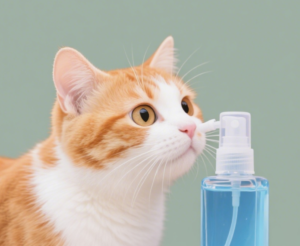
Can Mosquito-Repellent Perfume Poison Your Cat?
That popular mosquito-repellent perfume (the Chinese "flower water") does pose a real risk to cats. Some formulas contain DEET and pyrethroids, both dangerous to cats, and the alcohol, menthol, and camphor in them also irritate. DEET can disturb the central nervous system at high concentration, while pyrethroids are outright toxic because a cat's liver lacks the enzyme to break them down, so toxins build up and can cause organ failure. Cat homes should avoid the product; use screens, nets, electric swatters, or UV traps instead. If a cat shows tremors or vomiting after heavy exposure, never induce vomiting, go to a vet at once.

Symptoms and Treatment of Intussusception in Dogs
Intussusception in dogs shows up in many ways, including loss of appetite, vomiting, abdominal pain, and diarrhea. Without timely treatment, the symptoms worsen as the condition progresses. Severe cases may bring intense abdominal pain, frequent vomiting, a swollen belly, abnormal posture, and intra-abdominal bacterial infection. Mild intussusception can often be corrected with air-enema reduction, while serious cases require surgery. This article details how to recognize the signs, the treatment options available, and the preventive steps that lower the risk of this serious digestive emergency.