Search Results
161 results for “Husky”

Early Signs of Heatstroke in Dogs—and How to Prevent It
Dog heatstroke progresses through early warning signs, moderate fever, and severe shock, and the early stage is the easiest to miss—and the easiest to treat. Watch for constant open-mouth breathing with the tongue out and rapid shallow breaths, lethargy and slow responses, seeking shade and refusing to walk, thick stringy drool with a dry hot nose, and reddened, warm paw pads. Move the dog to a cool, airy spot and offer water in small amounts at the first sign; untreated, it can become critical within minutes. This article also covers which dogs are most at risk and practical prevention, from walking at dawn or dusk to never leaving a dog in a parked car.
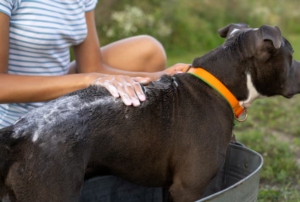
How Often Should You Bathe Your Dog in Summer?
Bathing your dog once a week is usually too often. A dog's skin relies on its sebum layer to stay moist and protected; over-bathing strips it, causing dryness, worse odor, and skin infections. Frequency should follow coat type and lifestyle—indoor small dogs may need only every two to three weeks, while active outdoor dogs can go weekly. Between baths, wipes, toothbrushing, and ear care keep odor down.
What are the ‘three silly dogs’ of the world?
The 'three sillies' are the sled-dog trio: Husky, Samoyed and Alaskan Malamute - goofy-looking, especially the Husky ('Erha'). But by IQ tests the true bottom three are Afghan Hound, Basenji and English Bulldog.
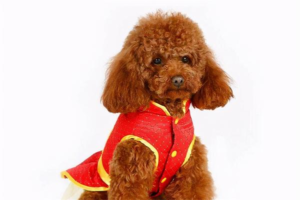
Which Dog Breeds Are Easy to Keep and Do Not Shed Much?
Breeds that are relatively easy to care for and light on shedding include the Poodle, Bichon Frise, Australian Shepherd, Standard Schnauzer, Chinese rural dog, Siberian Husky, Labrador Retriever, West Highland White Terrier, Maltese, and Beagle. Poodles have curly coats that rarely drop and need little trimming, while Chinese rural dogs are gentle, loyal, easy to train, and short-coated. Even low-shedding dogs need regular brushing, enough exercise, social time, and good food and water.
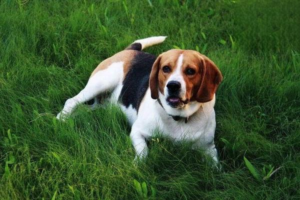
How to Tell Your Dog Has Bonded With You
Wondering if your dog truly sees you as its person? Six clear signs say yes: it runs to you by name without fear, greets you at the door by rubbing your legs and leaning on you, follows you everywhere, protects you when there is danger or a quarrel, runs to you when frightened, and quietly watches your every move even from afar. (Though if it is a Husky, maybe do not count on the guarding part.) Bonding is built through daily trust and attention.
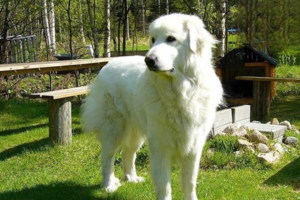
Free-Roam vs Crate: How to Raise Your Dog
Free-roam and crate raising each have pros and cons. Free-roam gives freedom, better socialization and fitness, but untrained dogs ignore commands, scavenge harmful food and may wreck furniture - and face the risk of being taken. A crate is a safe den that limits destruction and eases training and guest safety, but long-term caging can cause bone issues in growing pups and shy, poorly socialized adults. The right choice depends on your time and situation; many owners blend both, and neither is wrong.

Why a Dog’s Nose Loses Color in Winter
'Snow nose' is a normal winter fading of nose pigment, not a disease—common in Huskies, Malamutes, Goldens, and Labs. Cold lowers tyrosinase activity, so less melanin is made and the nose lightens; it returns on its own in summer. To keep the black nose, add fish oil or kelp, swap plastic bowls for stainless (plastic can irritate sensitive noses), and get sunlight (UV boosts the enzyme). But easy-snow-nose dogs have little melanin to begin with and burn easily, so avoid summer overexposure and use nose sunscreen.

Canine Hip Dysplasia: A ‘Destiny’ for Large Breeds?
Hip dysplasia is a hereditary joint fault where the ball and socket fit poorly, loosening the joint and eventually causing arthritis. Large breeds like Golden, Lab, and Shepherd are most at risk. Early signs are subtle—occasional hind-limb limping, slow rising, reluctance on stairs—while advanced cases show a swaying gait and muscle loss. X-rays and PennHIP confirm it; weight control, gentle exercise, joint supplements, and vet-guided pain care slow its course.
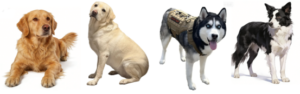
Popular Dog Breeds: Pros and Cons at a Glance
Choosing a dog means weighing temperament, exercise needs, grooming, and health risks against your lifestyle. From the gentle, trainable Golden and Lab to the stubborn, shedding Husky and Samoyed, and from compact Corgis and Pugs to tiny Bichons and Yorkies, every breed trades one challenge for another. There is no perfect dog—only the right match. Know the trade-offs before you commit.
A complete list of white dog breeds
Includes Pom, Bichon, Silver Fox, white Teddy, Samoyed, Pekingese, Great Pyrenees, Maltese, white Lab, white Alaskan, Westie, Papillon, Shih Tzu, white Husky, Afghan, Chow, and Rough Collie.