Search Results
3405 results for “Heat”
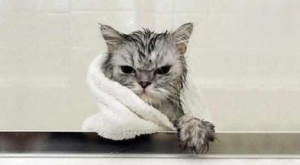
What Happens When a Cat’s Fur Gets Wet?
A cat's coat is its thermostat, sensor, and shield. Once soaked, the cat loses warmth, faces skin infections, and can no longer read its surroundings through whiskers and sensitive hairs — which is why cats dread water.

Autumn Care Tips for Your Cat
Autumn raises three risks for cats: skin trouble from dampness, hairballs during shedding, and weak coats from poor nutrition. Good ventilation, grooming, supplements, and extra water keep your cat healthy through the fall.
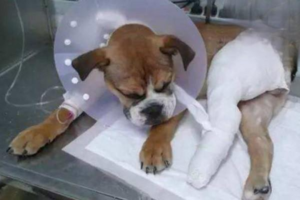
Basic First Aid Every Dog Owner Should Know
Knowing a few first-aid steps helps you protect a hurt dog before the vet. For fractures, burns, and bleeding, stay calm, limit movement, and get to a clinic for anything serious.

Why Does My Dog Have Bubbles on Its Tongue?
Small bumps or bubbles on a dog's tongue can come from mild oral irritation, aging, genetics, or a dip in immunity. Most cases are harmless and ease with better diet and care, but persistent, painful, or bleeding sores should be checked by a veterinarian.

Caring for Cracked Cat Claws in Winter
Cold, dry winter makes a cat's claws brittle and prone to cracking, usually from low humidity and low body moisture. Left uncared for, a simple crack can become infected nail beds and sore paws. More water in the diet and a humidifier at home protect the claws.

Do Hot Ears Mean Your Cat Has a Fever
Hot ears don't always mean fever. A cat's weak sweat glands make it heat up in a warm room, and thin ear skin warms fast, so offer water and shade first. True fever brings dullness, dry nose, and poor appetite, and a thermometer confirms it.
Why Your Cat’s Diarrhea Is Yellow-Ochre
Yellow-ochre diarrhea can be as simple as gulping yellow kibble too fast, but it may also signal parasites, bacteria, poisoning, or feline distemper. If the cat is otherwise bright, digestion or stress is likely; if it's weak with fever, see a vet at once.
Can a Feverish Cat Recover on Its Own
A cat's normal temperature runs 37–39°C, and it cools itself through paw sweat glands and panting. Mild fevers can ease with physical cooling, but a high fever from infection or virus needs a vet. Watch the ears and tail, and keep the cat nourished while it recovers.
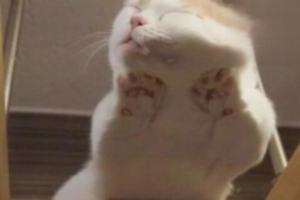
Why Your Cat Has a Lot of Eye Discharge
A little eye discharge is normal, but a sudden gush of it is not. The cause may be diet-related heat, keratitis, dacryocystitis, or an injury. Clean gently with warm water and see a vet when the discharge is colored, foul, or paired with redness.
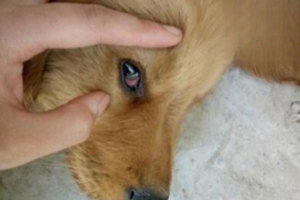
Red Tissue Growing Inside a Puppy’s Eye
Red tissue in the eye is typically an inflamed third eyelid, often present on both sides. It may look like simple heat, but it needs surgical removal to protect vision and avoid infection, so see a vet rather than waiting.