Search Results
3405 results for “Heat”

Why Does a Turtle Keep Scratching the Tank Glass?
A turtle that constantly scratches or claws at the tank glass is usually unsettled by its environment. New arrivals need time to adjust, and a bare tank with strong light, no hiding spots, or loud surroundings makes the turtle feel unsafe and eager to escape. Add plants or driftwood for cover, soften the lighting, keep the tank away from noise and vibration, and give more space when possible so the turtle feels secure.

How to Get a New Silver Arowana to Start Eating
The silver arowana is a premium tropical fish that needs patience; a new fish should rest and adjust before it feeds. Keep the water clean and stable, hold the temperature at 25 to 28 degrees Celsius with a heater, and offer high-protein food such as fresh fish or quality pellets while watching which it prefers. Give a quiet, calm environment with minimal disturbance, and if it refuses food for a long time, a little aquarium salt can curb bacteria and fungi and spark appetite.
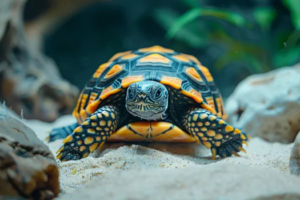
How to Build a Good Habitat for Your Turtle
A turtle needs a tank, a basking platform, and proper food, plus useful extras like a filter, basking lamp, dechlorinator, and turtle medication. Water quality and temperature are the two biggest health factors, so run a filter and use a heater to hold 25 to 30 degrees Celsius. Pick a square tank big enough for the species, give a basking spot for most turtles, treat tap water to remove chlorine, and skip risky plastic decor in favor of plants or small fish for a natural look.

How to Estimate a Red-Eared Slider’s Age
If you did not raise a red-eared slider from a hatchling, you cannot know its exact age, but for young sliders you can estimate it from a few clues. Each round marking on the belly scutes suggests one year, and the number of concentric rings on the shell plus one gives another estimate. Weight and shell length also track age, and clearer, darker shell rings hint at an older turtle. Sliders usually mature at three to four years at over 17 centimeters, after which aging becomes hard to gauge.

What Is Canine Brucellosis
Canine brucellosis is a contagious bacterial infection of dogs caused by Brucella canis. It is best known for causing abortion, infertility, and hidden inflammation in many tissues, and most infections are silent. The greatest risk comes from infected pregnant females, which shed huge numbers of bacteria in the fetus, fluids, and afterbirth at 40-50 days of pregnancy. The disease can also infect people, so strict hygiene is essential. Diagnosis combines bacterial culture with blood tests, and affected dogs are usually isolated or euthanized; breeding stock should be tested before mating to keep the infection out of a kennel.

Which Pet Turtles Are Most Common?
The most common pet turtles include the Chinese pond turtle, red-eared slider, yellow-margined box turtle, red-faced mud turtle, painted turtle, musk turtle, map turtle, and yellow-breasted turtle. Among them, the Chinese pond turtle and yellow-breasted turtle are native Chinese species loved by keepers. Chinese pond and red-eared slider turtles are inexpensive and easy to raise, making them ideal for beginners. Because each species has different habits, owners should learn the specific needs of their turtle, such as basking requirements, and prepare a basking platform so the animal can dry off and absorb heat.
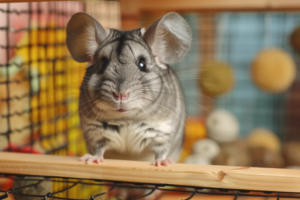
What Bedding Is Best for Hamsters in Summer?
Summer is hard on small pets, so choose airy, cool bedding: dust-free wood shavings, grass mats, cat litter, corn cob, or paper pellets. Grass mats are often best—eco-friendly, absorbent, breathable, and even edible for extra food and fun. Different beddings have different pros and cons, so pick what fits your setup, but always replace and clean regularly to stay dry and hygienic. Check the source is safe and contaminant-free, and keep the depth moderate so the cage isn't overcrowded. Good bedding matters because summer raises the risk of wet-tail and respiratory disease.

Key Points for Caring for a Cat in Summer
Summer heat raises the risk of parasites and heatstroke, so cat care in the warm months means three jobs: cleanliness, cooling, and diet. Run the AC without sharp temperature swings and don't shave the coat—thin it slightly instead, since bare skin burns and the cat sheds heat through paw pads. Feed little and often with light food, refresh water and food frequently so nothing spoils, and never offer cold food that upsets the stomach. Clean the nest, litter box, and belongings regularly and keep up flea, tick, and worm control. These habits keep a cat healthy through summer.

Why Does Your Hamster Have Soft Stools?
Hamster soft stools can stem from diet, infection, water, or stress. A fragile digestive system reacts badly to too much fruit or vegetable, moldy food, or unbalanced feed; bacteria or viruses can inflame the gut; poor or scarce water upsets it; and heat, environmental change, or fright lowers immunity. If you see soft stools, cut back on produce, check the water source, switch to a balanced diet with more protein and fat, keep the cage clean, and consider probiotics or medication for serious cases. If stools come with poor appetite or low energy, see a veterinarian promptly.

Can You Use Mosquito Coils Around Cats?
No—households with cats should not burn mosquito coils. The pyrethroid additives in coils are toxic to cats, which cannot metabolize them; too much exposure causes poisoning with tremors, vomiting, drooling, and unsteady walking, and in severe cases can be fatal. To protect your cat, avoid coils entirely and keep the air cat-free of the scent. Instead, fit window screens and nets, grow cat-safe plants like lemongrass or mint, and use a mosquito trap lamp or electric swatter—physical, odorless methods that don't endanger your pet. Choose the approach that fits your home, and keep a playful cat away from any device.