Search Results
3405 results for “Heat”

How Often Should You Change Hamster Bedding?
Change hamster shavings about once a week, every 3–4 days in hot, humid summer, and every 7–10 days in dry winter—or right away if they turn damp, smelly, or moldy. Always clean and dry the cage, pick season-appropriate bedding, and wash your hands to keep bacteria down.
‘Northern Dog’ Special: How to Treat Frostbite on Your Dog’s Ears
Move a dog with frostbitten ears indoors at once and wrap the body in a blanket (protect core temperature) to stop further cooling. Then apply a towel soaked in 37–38°C water to the ear for 10–15 minutes, repeat after a 5-minute gap, until the ear warms. Don't use a hot water bottle or hairdryer — too much temperature contrast worsens tissue damage. After rewarming, pat dry with sterile gauze and apply a pet moisturizing repair balm (beeswax or shea best), and use an Elizabethan collar or breathable wrap to stop scratching.
Is a Cat Bed a Must-Have or Just a Gimmick?
A cat bed isn't a gimmick, but it's not strictly necessary either — it depends on the cat. A good bed gives a sense of security and warmth in winter, beyond just a place to sleep. If your cat ignores the bed, don't force it; a box, blanket, or pet mattress works too. Choose soft, warm, breathable natural materials like short plush or felt, and pick a size about 1.5 times the cat's body length — cats like a snug wrap and a too-big bed feels insecure.

How to Choose the Right Hamster Food
Choosing hamster food comes down to a few key points. Favor reputable commercial brands with good palatability and processing, and pick a mix of formulated pellets plus natural grains for balanced nutrition. Check the label: protein around 15–20% (higher for pups), crude fat near 6%, crude fiber 8–10%, and a calcium-to-phosphorus ratio of about 1:1 to 2:1. Always check production dates and store food dry and away from sunlight. Finally, match the formula to your hamster's life stage—pups, adults, and seniors have different needs, and special formulas exist for conditions like diabetes or coat health.

What Is the Lowest Temperature a Chinchilla Can Tolerate?
A chinchilla can tolerate temperatures down to about 5°C (41°F) thanks to its dense fur, but sustained cold below that causes shivering, appetite loss, and even respiratory illness. Far more dangerous is heat—above 28°C (82°F) a chinchilla can overheat and suffer fatal heatstroke.
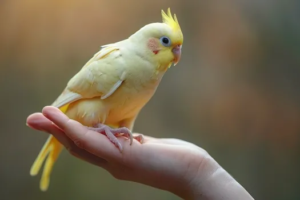
How to Keep a Budgerigar Warm in Winter
Budgies tolerate cold poorly, so act quickly when temperatures drop. Provide a warm, draft-free cage, extra high-energy food and warm water, steady light, and close daily observation so illness is caught early.
At what age is it best to neuter a male cat?
The ideal time to neuter a male cat is around eight months, before the first heat. The procedure removes the testes and, with a neuter diet, helps prevent post-surgery obesity and reproductive diseases.

Why Is My Goldfish Lying on the Bottom of the Tank in Winter?
A goldfish resting on the tank bottom in winter is usually caused by low water temperature, poor water quality, or illness. Cold water slows the fish's metabolism so it conserves energy at the bottom—raise the temperature to 18–25°C with a heater. Dirty water should be refreshed and kept at pH 6.5–7.5, while disease (enteritis, temperature shock, bacterial infection) needs prompt isolation and a 1% salt bath. Regular water changes and added aeration further prevent the problem.

Spaying a Female Cat: Pros and Cons
Spaying removes a female cat's uterus and ovaries, preventing heat cycles and pregnancy while protecting against pyometra, uterine cancer, ovarian cysts, and mammary tumors. The trade-offs are surgical risks, possible post-op infection, slower metabolism and weight gain, and occasional behavior changes, so weigh your cat's health and your own situation before deciding.

Why Cats Suddenly Lose Their Appetite
A sudden loss of appetite can come from mild causes, weather, heat, stress, or fussy eating, or from illness such as mouth pain, digestive trouble, parasites, or systemic disease. Find the cause first: treat oral pain with pet anti-inflammatories and oral spray, settle the gut with probiotics, and deworm if parasites are to blame.