Search Results
3409 results for “Heat”

Are Hamsters Sensitive to Cold? How to Keep One Warm in Winter
Hamsters are very cold-sensitive; 20-25 C is ideal and below 20 C risks torpor or death. In winter add warm bedding, heat the room or use a heat mat, boost calories, and revive promptly if it goes into torpor. Always house one hamster per cage.

Can You Bathe a Hamster With Water? Precautions
Avoid water baths - hamsters fear water and may die from stress; use bath sand instead. If truly filthy, use warm water, wash gently avoiding head/ears, and dry thoroughly at once. With sand, bathe daily in summer and every 2-3 days otherwise.

What to Do When Your Rabbit Won’t Eat Pellets
A rabbit may refuse pellets if they taste bad, after a sudden switch, or from gut upset. Pick high-fiber pellets, switch over 7 days, feed hay as the 80% staple, and see a vet if illness is the cause.
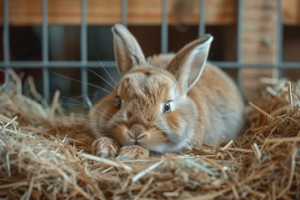
Key Points for Raising and Managing a Baby Rabbit
Baby rabbits are fragile: feed junior pellets and alfalfa (not fruit/veg), give clean water (never tap), keep the cage clean and quiet, hold temperature near 20 C (15-30 range), and prevent diarrhea and coccidiosis.

What Fruits, Vegetables, and Snacks Can Chinchillas Eat?
Chinchillas are herbivores on hay, with dried fruit, dried veg, and chews as occasional treats. Avoid fresh fruit/veg (watery -> diarrhea) and soybean; offer apple branches, herbs, and raw seeds. Keep treats rare to avoid pickiness.

Why Chinchillas May Not Be for Everyone: Drawbacks and Who Should Avoid Them
Chinchillas are gentle but timid, shed, chew things, interact little, and overheat above 30 C. They suit allergy-free, patient, financially ready owners who can keep a quiet, cool, dry home - not light sleepers or the impatient.

What to Do When Your Cat Is Too Clingy
A clingy cat follows you everywhere, demands constant attention, and yowls at closed doors. Causes range from youth and cold to breed, learned habit, boredom, heat, or fear. Match the cause - and treat a suddenly clingy cat as a possible health signal.

How to Care for a Pet Rabbit, Especially One Newly Brought Home
Rabbits need hay (alfalfa for young, timothy for adults), pellets and veg twice daily, fresh water, a dry 15-25 C home, and no baths. A new rabbit needs quiet, limited space, separation from residents, and a fecal test (not yet deworming) at the vet.

Do Rabbits Smell Bad? How to Handle Pet Odor at Home
Rabbits are clean animals that groom themselves, and as herbivores their droppings are not very smelly, so indoor rabbits usually cause little trouble. Still, some situations smell; here is why and what to do.

How to Bond With a Newly Arrived Hamster
A new hamster is strange to its home and easily scared, so don't rush to handle it. For the first three days keep quiet and just watch, with food and water ready. From day four, offer food from your palm to build trust and let it learn your scent and voice. After a week, try a gentle head stroke. Place the cage out of direct sun, at least 30 cm off the damp floor, in a ventilated spot away from wires and hazards.