Search Results
3409 results for “Heat”

Rabbit Viral Hemorrhagic Disease: Symptoms and Prevention
Rabbit viral hemorrhagic disease (RHD, or 'rabbit plague') is a highly contagious viral infection with up to 100% mortality and no specific cure. Control relies on the semi-annual RHD vaccine, strict hygiene, and disinfecting feed and water contaminated by sick rabbits.

Benefits of Home-Cooked Meals for Dogs
Home-cooked dog meals give you control over safe ingredients, higher retained nutrition, easy diet tweaks for illness, easier digestion, lower allergy risk, lower cost, and better palatability. The trade-offs are softer food that needs dental care, the time to cook balanced meals, and the danger of toxic ingredients like onion, garlic, avocado, and grapes.
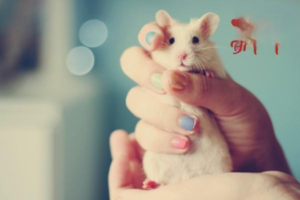
Caring for a Roborovski Hamster
The Roborovski (or 'father' dwarf hamster) is tiny and timid, so it needs a warm acrylic cage, a calm adjustment period, and a varied but careful diet — avoid loquat, peach and spicy food. Watch for cheek-pouch inflammation and clean the scent gland regularly.

Feline Hepatic Lipidosis: Causes and Treatment
Fatty liver, also called hepatic lipidosis, is an endocrine disorder from impaired liver cells. In cats it's often triggered by anorexia, obesity, or stress. This article details it.

Why Is Your Dog in Low Spirits?
A dog in low spirits is usually from unmet needs, neglect, feeling threatened, heat, or physical discomfort. A dog needs more than food — it craves attention, and long neglect easily lowers its mood. Here are the common causes.

Rabbit Vitamin A Deficiency
Vitamin A keeps rabbit mucous membranes intact and vision sharp; deficiency, worst in winter and early spring, brings slow growth, weak coat, nerve signs, eye damage (conjunctivitis, keratitis, even ulceration), and in pregnant does premature birth or dead malformed kits. It stems from low-carotene feed, poor gut or liver absorption, or vitamin loss in storage. Diagnose by history, lesions, and plasma vitamin A below 0.2 to 0.3 mg/ml.

Rabbit Stress: Causes, Signs, and How to Avoid It
Rabbits are timid and sharp-eared, so strong or repeated shocks can stress them severely, even fatally. Causes include changed water or feed, weather, noise, light, moves, and strangers; signs are raised pulse and breathing, restlessness or hiding, refusing food, and does crushing or rejecting kits. Avoid stress with steady routines, fixed light, temperature control, quiet, and gradual feed changes.
Rabbit Mycotoxin Poisoning: Symptoms and Control
Mycotoxin poisoning in rabbits comes from moldy feed, peaks in hot humid summer, and hits lactating does hardest with no contagion and poor drug response. Acute signs are appetite loss, irregular stools, staggering, and death in 2 to 4 days. Prevent it with strict feed storage and anti-mold additives, and treat by stopping the moldy feed and giving glucose, vitamins, and antifungal drugs.
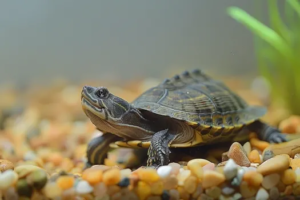
What Environment Suits a Pet Turtle?
Turtles are semi-aquatic, cold-blooded animals that breathe with lungs and live in lakes, ponds and rivers — active and feeding in water by day, foraging on shore at night, and very timid. Below 10°C they hibernate in mud or burrows until water rises above 15°C in April. They eat a wide diet (feed about 5% of body weight), and their color shifts with the habitat as natural camouflage.

A Turtle’s Main Nutritional Needs
A turtle needs protein, fat, carbohydrates, minerals and vitamins; a lack of any stalls growth, causes disease and can be fatal. Protein demand falls with age (hatchling > juvenile > breeder > adult) and must be animal-based; fat carries vitamins A/D/E/K but rancidizes if not stored cold and sealed; starch is best around 22.7–25.3%. Captive turtles also need added calcium, phosphorus and a complex vitamin mix.