Search Results
3409 results for “Heat”

Why Are My Rabbit’s Ears Hot — Is That Normal?
A rabbit's normal temperature is 38.5–39.5°C, so warm ears are often normal — especially after exercise or in summer heat. Persistently hot ears, though, can signal a fever from a cold or risk of heatstroke.

Why Is My Turtle’s Shell Soft? (Soft Shell Disease)
A soft shell — soft shell disease — is almost always calcium deficiency, from poor breeding stock or an imbalanced diet. Prevent it with calcium-rich food, a varied diet, and real UVB exposure (a lamp or unfiltered sun), since glass blocks the UVB turtles need.

Why Is My Cat’s Eye Discharge Green?
Normal cat eye discharge is white or clear; greenish-yellow usually means internal heat, an eye infection, or feline rhinotracheitis (cat flu). Adjust the diet first, then see a vet if it persists or comes with sneezing, fever, or corneal signs.

Why Won’t My Cat Open Its Eyes?
A cat that won't open its eyes usually has eye inflammation from infection, internal heat gluing the lids, or an injury. Clean with saline and use antibacterial drops; if fever or coughing accompanies it, see a vet for a possible viral infection.
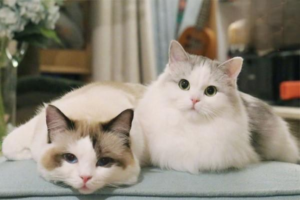
How to Care for and Clean Your Cat’s Eyes
Clean a cat's eyes with saline and soft cotton, wiping from inner to outer corner, and use a gentle cat eye drop from behind the head for clear discharge. Always be gentle, and avoid high-salt food that triggers excess eye discharge.

Why Is My Cat Crying Tears, and How to Fix It?
Cats can tear up for many reasons — eye inflammation or infection, irritation from fur or dust, a blocked tear duct, or internal heat from a dry diet. Most cases improve with care, but persistent or infected eyes need a vet.
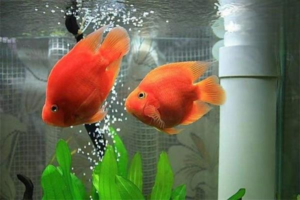
Why Is My Blood Parrot Cichlid Turning White?
A blood parrot cichlid turns white from cold water, poor water quality, or illness such as a cold, enteritis, or ich. Warm the tank to 25–28°C and keep water clean for environmental causes; use the right medication for disease.
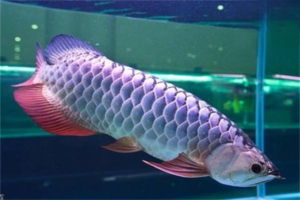
Symptoms and Treatment of Arowana Cloudy Eye by Stage
Arowana cloudy eye has three stages — early, middle, and late — each with distinct symptoms and its own best treatment. Early and middle stages respond to water changes, salt, and heat, while the late stage requires dedicated medication.
How Should You Treat Arowana Cloudy Eye?
Treat arowana cloudy eye by addressing its cause: restore water quality for cases from bad water, use medication for bacterial infections, and treat the underlying ich if that is the trigger. Acting in the early stage and controlling dosage strictly gives the best recovery.
What to Do When Your Arowana Develops Cloudy Eye?
Arowana cloudy eye is most often triggered by poor water quality, but sudden water changes or a bacterial eye infection can also cause it. Catching it early means simple water changes may cure it; advanced cases need the classic three methods — water change, salt, and heat — or antibiotics.