Search Results
3409 results for “Heat”
My dog cannot close its mouth and keeps drooling; why?
An inability to close the mouth and drooling can come from heat dissipation, eating irritants, or oral disease. Dogs pant with tongue out after exercise to cool down, which is normal. Irritating foods like chili, bitter melon, or pepper can trigger drooling. Swelling, pain, or red mucosa suggests oral disease such as a salivary cyst, gingivitis, or ulcers.
My hamster’s belly is wet and yellow; it keeps licking; I found a hole that looks like the scent gland
A wet, yellow belly may be scent-gland secretion buildup, which the hamster licks; clean it with a cotton swab or ear spoon. Adult males in heat secrete a smelly substance that wets and yellows fur to attract mates. Wet tail from illness also causes wet fur with diarrhea and dull coat.
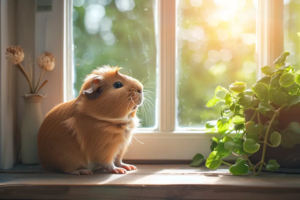
How to Tell If Your Guinea Pig Is Pregnant
A pregnant sow gains weight fast, eats more, and her belly swells. Confirm by feeling for firm lumps (25+ days) or watching for a mating plug — though nocturnal chewing can hide it. Gestation is 68–75 days, so count ahead to the due date.

Do You Need a Vaccine After a Chinchilla Bite?
Chinchillas are plant-eating, cage-kept animals that do not carry rabies, so a bite that breaks the skin usually just needs washing, disinfecting, and letting it heal. A rabies shot is only worth considering if unvaccinated cats or dogs share the home.

Signs of Pregnancy in a Guinea Pig
A pregnant guinea pig stops coming into heat and rejects the male, eats roughly double her normal amount, and her belly swells — by about a month it may be twice normal size. She grows touch-shy and irritable early on, then calmer and sleepier near term. Avoid full baths; use bath sand for spot cleaning.
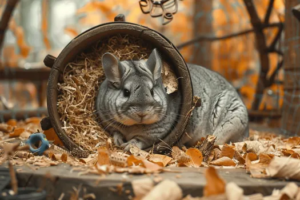
Signs Your Guinea Pig Is Cold
When a guinea pig gets cold it usually shivers, puffs up its fur, and drops in body temperature, which easily leads to a cold with coughing, sneezing and loss of appetite. Keep the habitat at 20–29°C, add bedding and warmth in winter, and watch for shivering or huddling in a corner.
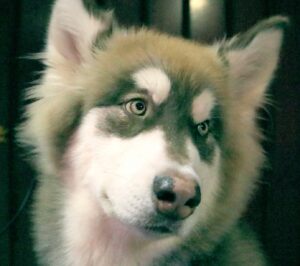
Canis lupus familiaris
The Tibetan Mastiff, also called the Tibetan Mastiff or 'Oriental God', is a giant mountain dog from the Qinghai-Tibet Plateau, recognized as the world's oldest and rarest breed and the only dog unafraid of wild beasts. Fierce yet loyal, it is used as a livestock, guard and military dog.
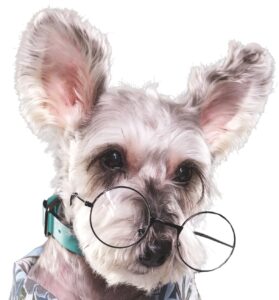
Schnauzer
The Schnauzer, also called the Schnauzer, originated in 15th-century Germany; its name means 'mustache' in German and it is the only terrier without British blood. Energetic and lively, it comes in three sizes: Standard, Miniature and Giant.

Miniature Schnauzerterrier
The Miniature Schnauzer, also called the Mini Schnauzer, originated in Bavaria, Germany, from the Standard Schnauzer crossed with small European, Pomeranian and Scottish Terrier breeds. Recognized in 1899, it was used for ratting and is now a friendly, easy-care family companion.

Irish Terrier
The Irish Terrier, also called the Irish Red Terrier, originated in Ireland in the 18th century from black, tan and wheaten terriers. A rough-coated, long-legged breed much like the Airedale, it is now a gentle family companion suited to city apartments.