Search Results
43 results for “Heat sensitivity”

5 Tips to Keep Your Dog Warm and Healthy in Winter
Winter solstice marks the coldest time of year - a stern test of a dog's fitness, when careful care matters. Once balance breaks and resistance drops, germs strike, causing sensitive gut and runny-nose colds. How to help your dog through a warm, comfortable winter and boost immunity - read on.

Cat Liver Failure: Causes and Treatment
Liver failure refers to the loss of more than 75% of liver function, followed by severe and widespread hepatic necrosis. This syndrome is more common in dogs than in cats, and it shows no preference for age, breed, or sex.

How to Raise a Young Kitten
How to raise a young kitten? Many kind people rescue stray kittens but don't know how. Actually, just follow these points and you can usually raise them well. Here Oxygen Pet Doctor explains the key points and precautions.

What Smell Does a Dog Like Most?
U.S. military research found dogs are most interested in the scent of unknown dogs and their owner. A dog's sensitivity to the owner's scent rivals its interest in novel dogs.

What Medicine to Give a Dog With a Cold
As temperatures drop and daily temperature swings widen, dogs with weaker immunity can catch colds, with sneezing, runny noses and fevers. This article explains how to recognize a dog cold and how to treat it safely based on the dog's weight.

Common Causes, Medications, and Prevention of Sneezing and Runny Nose in Dogs and Cats
Sneezing and runny nose in pets are symptoms of disease, usually caused by respiratory infections. Sneezing and a runny nose are physiological responses of the nasal mucosa to various irritants; the more common causes are colds and rhinitis. Next, we introduce the causes of sneezing and runny nose in dogs and cats and the medication treatment for the corresponding diseases.
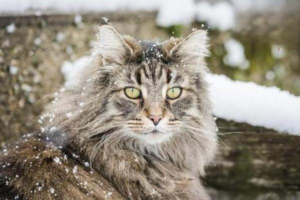
Are Long-Haired Cats Cold-Sensitive? Signs Your Cat Is Cold
Long-haired cats still feel the cold because it comes down to breed and body, not coat length. Here is what cold sensitivity depends on and how to spot a chilled cat.

Upper Respiratory Diseases in Dogs and Cats: Types and Treatment
Upper respiratory disease is common in dogs and cats, with sneezing, tearing, low appetite, and breathing trouble, and it often triggers secondary infections. This guide covers colds, nosebleed, rhinitis, laryngitis, and tonsillitis, with the drugs that help each.

Fish That Are Dangerous for Cats
Not every fish is safe for cats. Tuna depletes vitamin E and causes steatitis; squid's thiaminase triggers B1 deficiency and a wobbly gait; abalone innards cause photosensitivity dermatitis and ear necrosis; bonito's magnesium invites urinary disease. Keep these off the menu.
What happens if a dog lacks vitamin A?
Vitamin A deficiency causes night blindness and dry eye, then corneal ulcers; dry scaly skin; bone overgrowth causing wobble and lameness; and in breeding dogs, testicular shrinkage or infertility and stillbirth.